



Blog
How to overcome the challenges that render no-plough farming ineffective?
The Common Agricultural Policy and droughts are increasingly prompting farmers to adopt no-plough farming. For those with steeply sloped fields or sandy soils, this may be essential. However, no-plough farming without presents challenges that can lead to failure. Let us examine these challenges more closely.

Significant quantities of post-harvest residues
A notable challenge with no-plough farming is the post-harvest residues left as cover. Their extensive quantity and inadequate processing obstruct sowing and seed germination. Additionally, the soil beneath the mulch layer warms more slowly, delaying the emergence and development of cultivated plants.

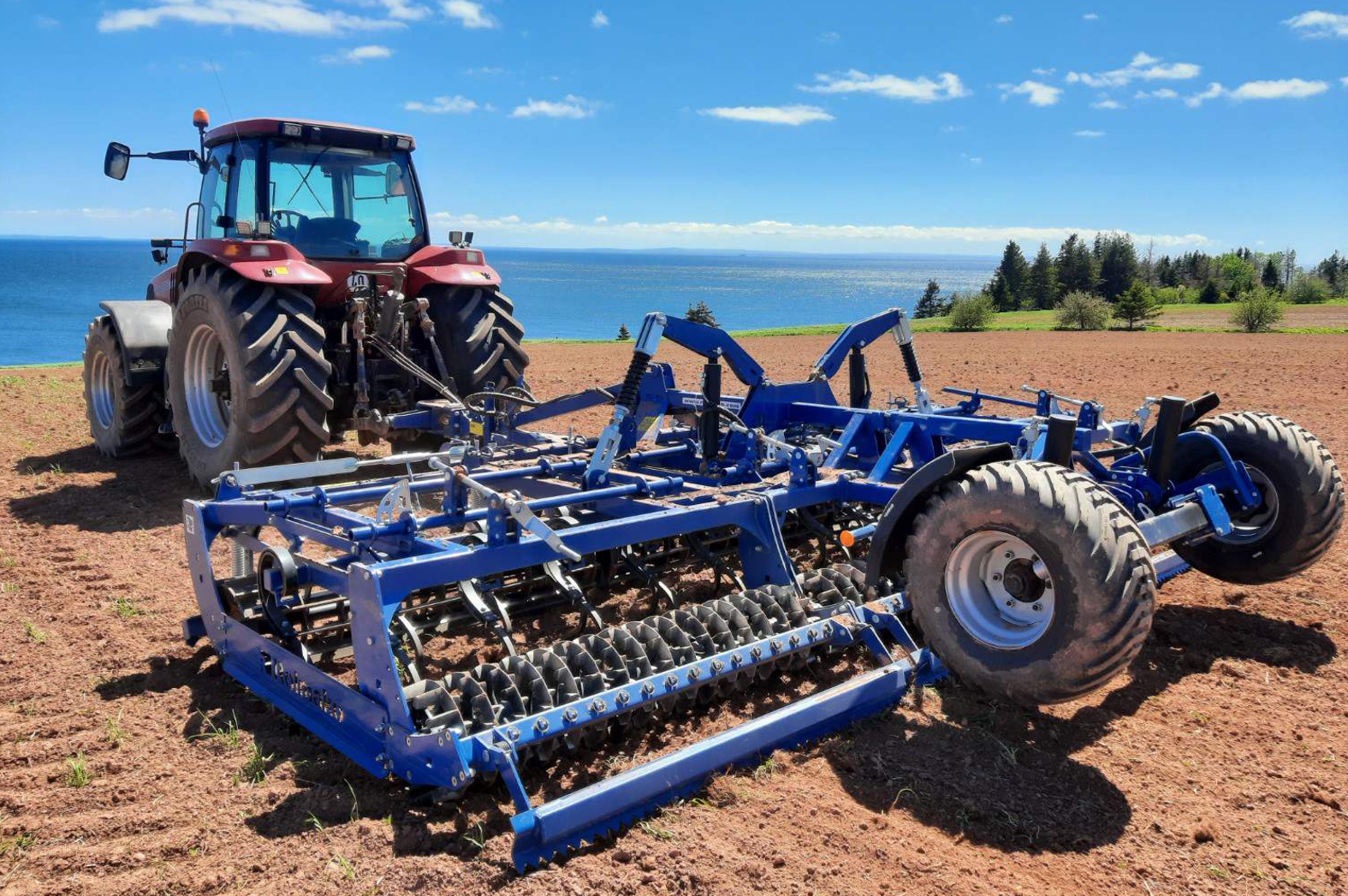
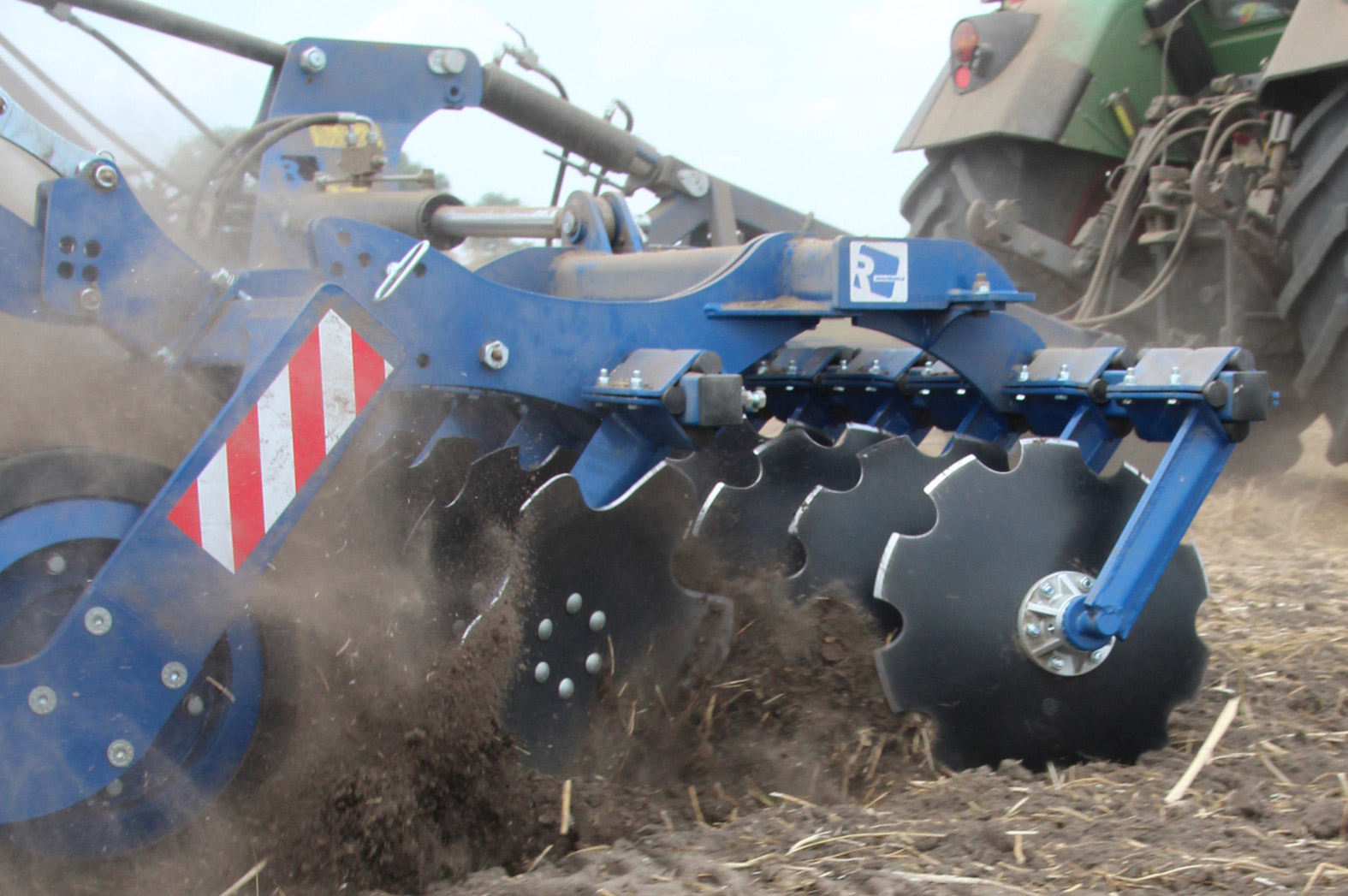
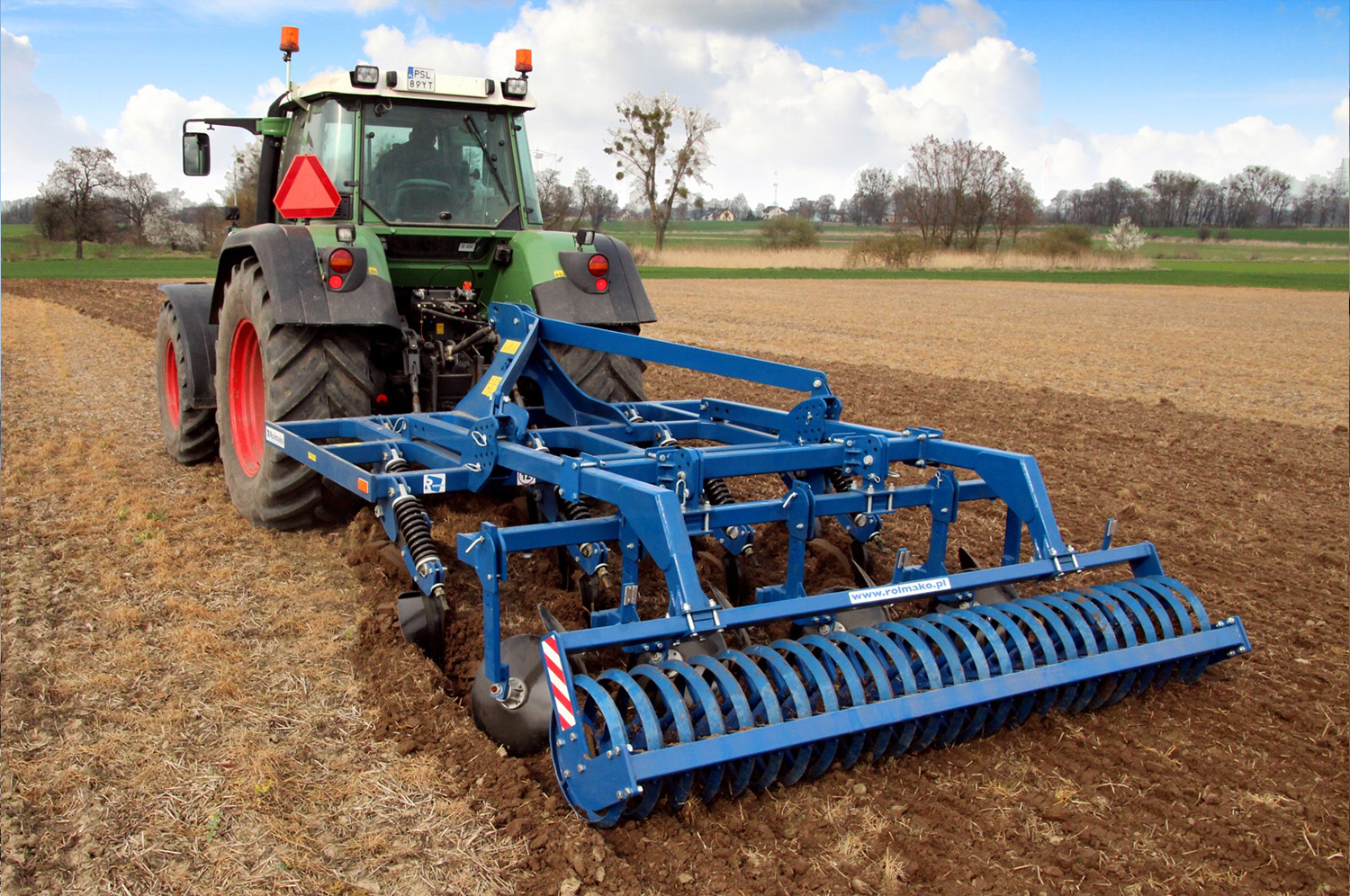
The solution involves adequately grinding the crop residues and incorporating them into the topsoil. Alongside the harrow, a knife roller, such as ProCut, is highly effective. Proper use of the seeder is also essential. Additionally, this issue is not pertinent to livestock farms, as crop residues are returned to the soil with manure.

Increased Risk of Developing Diseases and Pests
Disease pathogens and pests tend to "overwinter" in crop residues, maintaining favorable humidity and temperature conditions. Theoretically, plowing covers these "culprits" with a layer of soil, limiting their contact with subsequent plants. However, some pathogens can survive in the deep soil layer and, after being turned over by the plow, can infect sown plants in subsequent years.

For this reason, correct rotation and the use of rich cover crops mixtures are crucial in combating diseases. Proper care of stubble will also reduce the development of diseases and pests. Furthermore, plant resistance, pathogen viability, and the occurrence of specific pests are not heavily dependent on the cropping system. Occasionally, their presence varies between fields. Therefore, it is essential to consider the underlying causes and choose the appropriate method of control.

Weed Infestation and Development of Self-Seeding Plants
Numerous studies indicate a rise in weed infestation in no-plough cultivation compared to traditional cultivation, ranging from 18.8% to 76.9%. This phenomenon is particularly noticeable during the initial years of transitioning to a no-plow system. The proximity of the weed seed bank to the surface facilitates the germination of unwanted plants.

Diverse rotation limits the number and compensation of weeds. In Szymankiewicz's research, the number of weeds in simplified cultivation was 107.3 pcs/m² in monoculture, and in crop rotation, it was only 28 pcs/m². An additional solution is to combine the ActivAgro weeder with herbicides. Then, you can achieve almost 100% effectiveness in the fight against weeds. However, it is better to prevent, which is why many farmers advise clearing the field of weeds as much as possible before switching to no-plough cultivation.

Reduced effectiveness of fertilization and herbicides
The substantial mass of crop residues acts as a barrier to herbicides and the minerals in fertilizers. Despite proper application, these substances do not penetrate deeply into the soil profile (notably phosphorus) and remain in the upper soil layer. This limits their nutritional benefits for plants, leading to decreased yields, and contributes to the acidification of the topsoil.

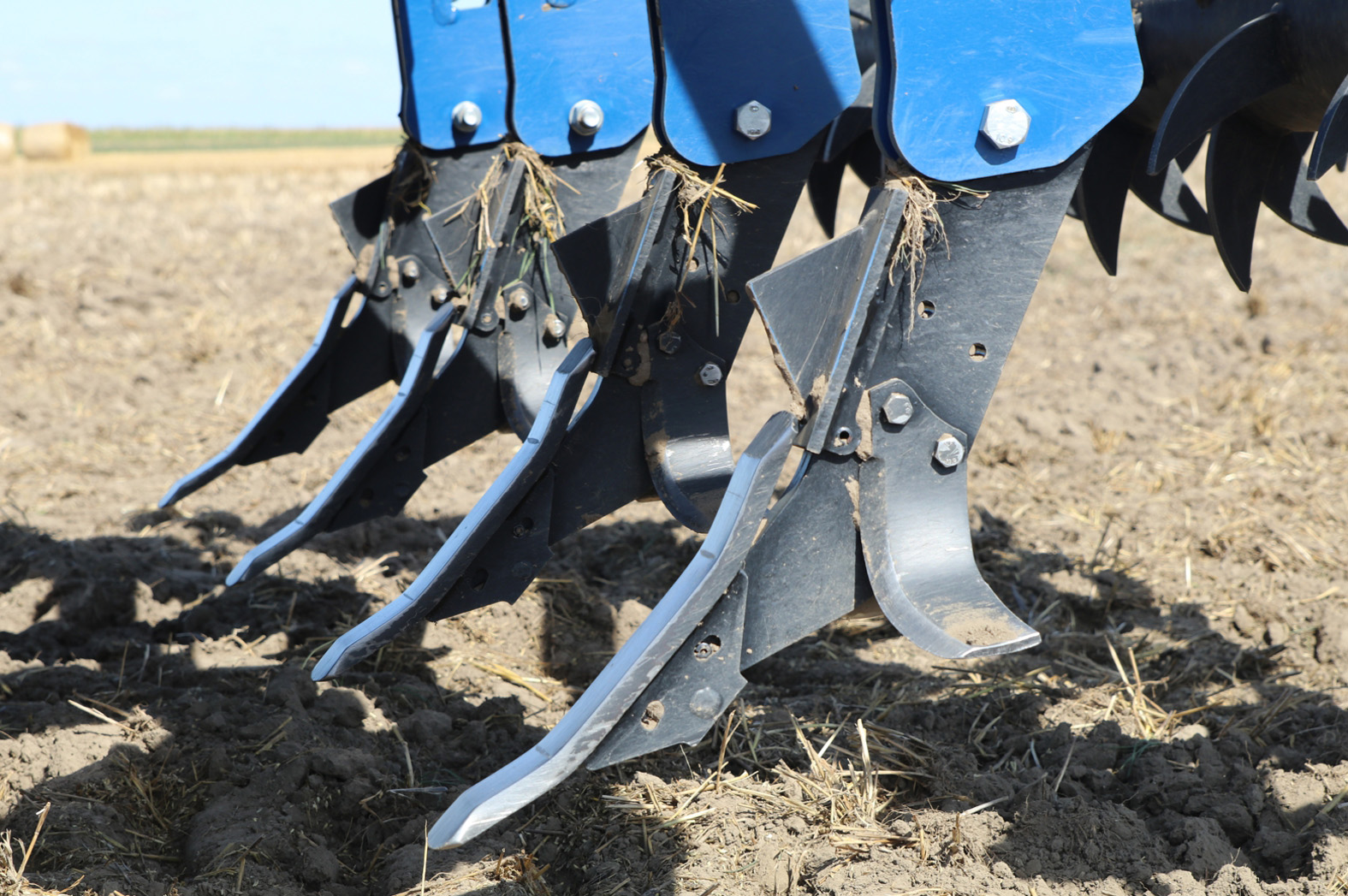
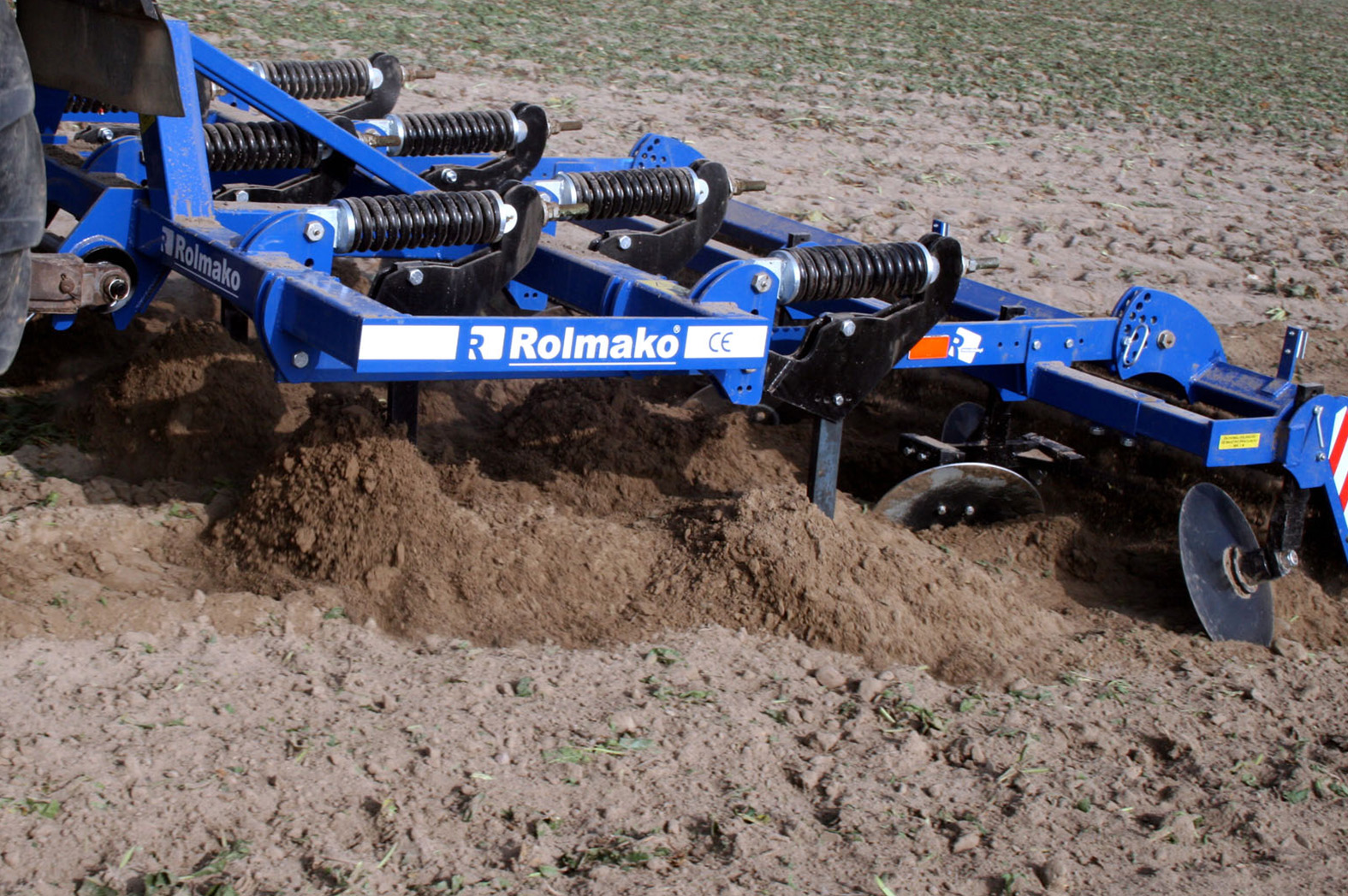
It is therefore crucial to loosen the deeper layers of soil, e.g., with the U436 cultivator during no-plough cultivation. Additionally, row fertilization is recommended so that the fertilizer does not lie on the mulch but is placed near the sown plant. It is also essential to regulate the pH before transitioning to a no-plough system. This, coupled with halting the use of the plow, activates the soil's microbial life, thereby enhancing the availability of phosphorus and other minerals in a natural and digestible manner for plants.

Increased soil compaction - plow sole
Employing only shallow cultivation and failing to minimize field passes are mistakes in the no-plough system that contribute to excessive soil compaction in the top layer. This directly reduces yield through poor root development and suboptimal water-air relations in the soil.

Therefore, it is essential to avoid these mistakes and monitor soil compaction throughout the year, performing subsoiling every few years. This is particularly important on heavier, sandy soils. Before transitioning to no-plough cultivation, the compaction condition should be assessed, and the plow sole resulting from plowing should be removed.

Yield Reduction in Wet Conditions
No-plough farming produces excellent crops in dry years. However, excessive soil moisture may lead to decreases. Guy Thibauld estimates that the real beneficial effects of stopping plowing (including normalizing crop yields) will take 7 to 10 years. Dr. Jill Clapperton notes that soil degraded by a plow for many years needs time to "rebuild" its properties.

After this period, the lumpy structure and humus (like a sponge) will start to store excess water when it is too humid and release it when it is too dry. The reconstruction of biological properties and proper structure is influenced by the inclusion of cover crops and protective plants in the crop rotation. Consequently, this "normalization" period can be shortened to up to two years. Notably, some farmers did not experience a decline in yields after switching to no-plough farming.

Exclusively for large, affluent farmers
No-plough farming requires specialized machinery. Minimizing field travel is crucial, thus powerful tractors capable of pulling wide units are highly effective. Additionally, eliminating plowing and associated crops on farms spanning several hundred hectares yields substantial savings, ensuring a rapid return on investment in new equipment.

However, many farmers in Poland switched to no-plough farming at the beginning of the 2000s, using a multi-beam stubble cultivator and a Zetor or a trusty Ursus. Many of them effectively cultivate land without a plow on areas up to 20 hectares. Even those with several hundred hectares of farms started no-plough farming from a few dozen hectares, limiting investments to 1-2 really essential machines. Moreover, the market offers a wide variety of no-plough farming machines, from rollers to large aggregates, so there is no need to replace the entire machinery fleet immediately.

Insufficient knowledge
No-plough farming is challenging. Simply setting the plow aside is insufficient; a comprehensive shift in the approach to field cultivation is necessary. Awareness of the associated challenges is essential, viewing this change as an investment that will yield substantial benefits as natural processes in the field are restored.

Successful no-plough cultivation necessitates ongoing knowledge acquisition. Failures often result from a lack of knowledge and errors in areas such as fertilization and agrotechnical procedures. No-plow cultivation can be considered a continuous learning process, as each field, each year, and even the quality of the sown grain vary.

Therefore, initially acquire knowledge about no-plough cultivation. Read blogs (e.g., Rolmako has been educating farmers on effective no-plough farming for many years) and consult with other experienced farmers. Then, no-plow cultivation will certainly succeed.

Increased Risk of Developing Diseases and Pests
Disease pathogens and pests tend to "overwinter" in crop residues, maintaining favorable humidity and temperature conditions. Theoretically, plowing covers these "culprits" with a layer of soil, limiting their contact with subsequent plants. However, some pathogens can survive in the deep soil layer and, after being turned over by the plow, can infect sown plants in subsequent years.
For this reason, correct rotation and the use of rich cover crops mixtures are crucial in combating diseases. Proper care of stubble will also reduce the development of diseases and pests. Furthermore, plant resistance, pathogen viability, and the occurrence of specific pests are not heavily dependent on the cropping system. Occasionally, their presence varies between fields. Therefore, it is essential to consider the underlying causes and choose the appropriate method of control.
Weed Infestation and Development of Self-Seeding Plants
Numerous studies indicate a rise in weed infestation in no-plough cultivation compared to traditional cultivation, ranging from 18.8% to 76.9%. This phenomenon is particularly noticeable during the initial years of transitioning to a no-plow system. The proximity of the weed seed bank to the surface facilitates the germination of unwanted plants.
Diverse rotation limits the number and compensation of weeds. In Szymankiewicz's research, the number of weeds in simplified cultivation was 107.3 pcs/m² in monoculture, and in crop rotation, it was only 28 pcs/m². An additional solution is to combine the ActivAgro weeder with herbicides. Then, you can achieve almost 100% effectiveness in the fight against weeds. However, it is better to prevent, which is why many farmers advise clearing the field of weeds as much as possible before switching to no-plough cultivation.
Reduced effectiveness of fertilization and herbicides
The substantial mass of crop residues acts as a barrier to herbicides and the minerals in fertilizers. Despite proper application, these substances do not penetrate deeply into the soil profile (notably phosphorus) and remain in the upper soil layer. This limits their nutritional benefits for plants, leading to decreased yields, and contributes to the acidification of the topsoil.
It is therefore crucial to loosen the deeper layers of soil, e.g., with the U436 cultivator during no-plough cultivation. Additionally, row fertilization is recommended so that the fertilizer does not lie on the mulch but is placed near the sown plant. It is also essential to regulate the pH before transitioning to a no-plough system. This, coupled with halting the use of the plow, activates the soil's microbial life, thereby enhancing the availability of phosphorus and other minerals in a natural and digestible manner for plants.
Increased soil compaction - plow sole
Employing only shallow cultivation and failing to minimize field passes are mistakes in the no-plough system that contribute to excessive soil compaction in the top layer. This directly reduces yield through poor root development and suboptimal water-air relations in the soil.
Therefore, it is essential to avoid these mistakes and monitor soil compaction throughout the year, performing subsoiling every few years. This is particularly important on heavier, sandy soils. Before transitioning to no-plough cultivation, the compaction condition should be assessed, and the plow sole resulting from plowing should be removed.
Yield Reduction in Wet Conditions
No-plough farming produces excellent crops in dry years. However, excessive soil moisture may lead to decreases. Guy Thibauld estimates that the real beneficial effects of stopping plowing (including normalizing crop yields) will take 7 to 10 years. Dr. Jill Clapperton notes that soil degraded by a plow for many years needs time to "rebuild" its properties.
After this period, the lumpy structure and humus (like a sponge) will start to store excess water when it is too humid and release it when it is too dry. The reconstruction of biological properties and proper structure is influenced by the inclusion of cover crops and protective plants in the crop rotation. Consequently, this "normalization" period can be shortened to up to two years. Notably, some farmers did not experience a decline in yields after switching to no-plough farming.
Exclusively for large, affluent farmers
No-plough farming requires specialized machinery. Minimizing field travel is crucial, thus powerful tractors capable of pulling wide units are highly effective. Additionally, eliminating plowing and associated crops on farms spanning several hundred hectares yields substantial savings, ensuring a rapid return on investment in new equipment.
However, many farmers in Poland switched to no-plough farming at the beginning of the 2000s, using a multi-beam stubble cultivator and a Zetor or a trusty Ursus. Many of them effectively cultivate land without a plow on areas up to 20 hectares. Even those with several hundred hectares of farms started no-plough farming from a few dozen hectares, limiting investments to 1-2 really essential machines. Moreover, the market offers a wide variety of no-plough farming machines, from rollers to large aggregates, so there is no need to replace the entire machinery fleet immediately.
Insufficient knowledge
No-plough farming is challenging. Simply setting the plow aside is insufficient; a comprehensive shift in the approach to field cultivation is necessary. Awareness of the associated challenges is essential, viewing this change as an investment that will yield substantial benefits as natural processes in the field are restored.
Successful no-plough cultivation necessitates ongoing knowledge acquisition. Failures often result from a lack of knowledge and errors in areas such as fertilization and agrotechnical procedures. No-plow cultivation can be considered a continuous learning process, as each field, each year, and even the quality of the sown grain vary.
Therefore, initially acquire knowledge about no-plough cultivation. Read blogs (e.g., Rolmako has been educating farmers on effective no-plough farming for many years) and consult with other experienced farmers. Then, no-plow cultivation will certainly succeed.
Weed Infestation and Development of Self-Seeding Plants
Numerous studies indicate a rise in weed infestation in no-plough cultivation compared to traditional cultivation, ranging from 18.8% to 76.9%. This phenomenon is particularly noticeable during the initial years of transitioning to a no-plow system. The proximity of the weed seed bank to the surface facilitates the germination of unwanted plants.
Diverse rotation limits the number and compensation of weeds. In Szymankiewicz's research, the number of weeds in simplified cultivation was 107.3 pcs/m² in monoculture, and in crop rotation, it was only 28 pcs/m². An additional solution is to combine the ActivAgro weeder with herbicides. Then, you can achieve almost 100% effectiveness in the fight against weeds. However, it is better to prevent, which is why many farmers advise clearing the field of weeds as much as possible before switching to no-plough cultivation.
Reduced effectiveness of fertilization and herbicides
The substantial mass of crop residues acts as a barrier to herbicides and the minerals in fertilizers. Despite proper application, these substances do not penetrate deeply into the soil profile (notably phosphorus) and remain in the upper soil layer. This limits their nutritional benefits for plants, leading to decreased yields, and contributes to the acidification of the topsoil.
It is therefore crucial to loosen the deeper layers of soil, e.g., with the U436 cultivator during no-plough cultivation. Additionally, row fertilization is recommended so that the fertilizer does not lie on the mulch but is placed near the sown plant. It is also essential to regulate the pH before transitioning to a no-plough system. This, coupled with halting the use of the plow, activates the soil's microbial life, thereby enhancing the availability of phosphorus and other minerals in a natural and digestible manner for plants.
Increased soil compaction - plow sole
Employing only shallow cultivation and failing to minimize field passes are mistakes in the no-plough system that contribute to excessive soil compaction in the top layer. This directly reduces yield through poor root development and suboptimal water-air relations in the soil.
Therefore, it is essential to avoid these mistakes and monitor soil compaction throughout the year, performing subsoiling every few years. This is particularly important on heavier, sandy soils. Before transitioning to no-plough cultivation, the compaction condition should be assessed, and the plow sole resulting from plowing should be removed.
Yield Reduction in Wet Conditions
No-plough farming produces excellent crops in dry years. However, excessive soil moisture may lead to decreases. Guy Thibauld estimates that the real beneficial effects of stopping plowing (including normalizing crop yields) will take 7 to 10 years. Dr. Jill Clapperton notes that soil degraded by a plow for many years needs time to "rebuild" its properties.
After this period, the lumpy structure and humus (like a sponge) will start to store excess water when it is too humid and release it when it is too dry. The reconstruction of biological properties and proper structure is influenced by the inclusion of cover crops and protective plants in the crop rotation. Consequently, this "normalization" period can be shortened to up to two years. Notably, some farmers did not experience a decline in yields after switching to no-plough farming.
Exclusively for large, affluent farmers
No-plough farming requires specialized machinery. Minimizing field travel is crucial, thus powerful tractors capable of pulling wide units are highly effective. Additionally, eliminating plowing and associated crops on farms spanning several hundred hectares yields substantial savings, ensuring a rapid return on investment in new equipment.
However, many farmers in Poland switched to no-plough farming at the beginning of the 2000s, using a multi-beam stubble cultivator and a Zetor or a trusty Ursus. Many of them effectively cultivate land without a plow on areas up to 20 hectares. Even those with several hundred hectares of farms started no-plough farming from a few dozen hectares, limiting investments to 1-2 really essential machines. Moreover, the market offers a wide variety of no-plough farming machines, from rollers to large aggregates, so there is no need to replace the entire machinery fleet immediately.
Insufficient knowledge
No-plough farming is challenging. Simply setting the plow aside is insufficient; a comprehensive shift in the approach to field cultivation is necessary. Awareness of the associated challenges is essential, viewing this change as an investment that will yield substantial benefits as natural processes in the field are restored.
Successful no-plough cultivation necessitates ongoing knowledge acquisition. Failures often result from a lack of knowledge and errors in areas such as fertilization and agrotechnical procedures. No-plow cultivation can be considered a continuous learning process, as each field, each year, and even the quality of the sown grain vary.
Therefore, initially acquire knowledge about no-plough cultivation. Read blogs (e.g., Rolmako has been educating farmers on effective no-plough farming for many years) and consult with other experienced farmers. Then, no-plow cultivation will certainly succeed.
Reduced effectiveness of fertilization and herbicides
The substantial mass of crop residues acts as a barrier to herbicides and the minerals in fertilizers. Despite proper application, these substances do not penetrate deeply into the soil profile (notably phosphorus) and remain in the upper soil layer. This limits their nutritional benefits for plants, leading to decreased yields, and contributes to the acidification of the topsoil.
It is therefore crucial to loosen the deeper layers of soil, e.g., with the U436 cultivator during no-plough cultivation. Additionally, row fertilization is recommended so that the fertilizer does not lie on the mulch but is placed near the sown plant. It is also essential to regulate the pH before transitioning to a no-plough system. This, coupled with halting the use of the plow, activates the soil's microbial life, thereby enhancing the availability of phosphorus and other minerals in a natural and digestible manner for plants.
Increased soil compaction - plow sole
Employing only shallow cultivation and failing to minimize field passes are mistakes in the no-plough system that contribute to excessive soil compaction in the top layer. This directly reduces yield through poor root development and suboptimal water-air relations in the soil.
Therefore, it is essential to avoid these mistakes and monitor soil compaction throughout the year, performing subsoiling every few years. This is particularly important on heavier, sandy soils. Before transitioning to no-plough cultivation, the compaction condition should be assessed, and the plow sole resulting from plowing should be removed.
Yield Reduction in Wet Conditions
No-plough farming produces excellent crops in dry years. However, excessive soil moisture may lead to decreases. Guy Thibauld estimates that the real beneficial effects of stopping plowing (including normalizing crop yields) will take 7 to 10 years. Dr. Jill Clapperton notes that soil degraded by a plow for many years needs time to "rebuild" its properties.
After this period, the lumpy structure and humus (like a sponge) will start to store excess water when it is too humid and release it when it is too dry. The reconstruction of biological properties and proper structure is influenced by the inclusion of cover crops and protective plants in the crop rotation. Consequently, this "normalization" period can be shortened to up to two years. Notably, some farmers did not experience a decline in yields after switching to no-plough farming.
Exclusively for large, affluent farmers
No-plough farming requires specialized machinery. Minimizing field travel is crucial, thus powerful tractors capable of pulling wide units are highly effective. Additionally, eliminating plowing and associated crops on farms spanning several hundred hectares yields substantial savings, ensuring a rapid return on investment in new equipment.
However, many farmers in Poland switched to no-plough farming at the beginning of the 2000s, using a multi-beam stubble cultivator and a Zetor or a trusty Ursus. Many of them effectively cultivate land without a plow on areas up to 20 hectares. Even those with several hundred hectares of farms started no-plough farming from a few dozen hectares, limiting investments to 1-2 really essential machines. Moreover, the market offers a wide variety of no-plough farming machines, from rollers to large aggregates, so there is no need to replace the entire machinery fleet immediately.
Insufficient knowledge
No-plough farming is challenging. Simply setting the plow aside is insufficient; a comprehensive shift in the approach to field cultivation is necessary. Awareness of the associated challenges is essential, viewing this change as an investment that will yield substantial benefits as natural processes in the field are restored.
Successful no-plough cultivation necessitates ongoing knowledge acquisition. Failures often result from a lack of knowledge and errors in areas such as fertilization and agrotechnical procedures. No-plow cultivation can be considered a continuous learning process, as each field, each year, and even the quality of the sown grain vary.
Therefore, initially acquire knowledge about no-plough cultivation. Read blogs (e.g., Rolmako has been educating farmers on effective no-plough farming for many years) and consult with other experienced farmers. Then, no-plow cultivation will certainly succeed.
Increased soil compaction - plow sole
Employing only shallow cultivation and failing to minimize field passes are mistakes in the no-plough system that contribute to excessive soil compaction in the top layer. This directly reduces yield through poor root development and suboptimal water-air relations in the soil.
Therefore, it is essential to avoid these mistakes and monitor soil compaction throughout the year, performing subsoiling every few years. This is particularly important on heavier, sandy soils. Before transitioning to no-plough cultivation, the compaction condition should be assessed, and the plow sole resulting from plowing should be removed.
Yield Reduction in Wet Conditions
No-plough farming produces excellent crops in dry years. However, excessive soil moisture may lead to decreases. Guy Thibauld estimates that the real beneficial effects of stopping plowing (including normalizing crop yields) will take 7 to 10 years. Dr. Jill Clapperton notes that soil degraded by a plow for many years needs time to "rebuild" its properties.
After this period, the lumpy structure and humus (like a sponge) will start to store excess water when it is too humid and release it when it is too dry. The reconstruction of biological properties and proper structure is influenced by the inclusion of cover crops and protective plants in the crop rotation. Consequently, this "normalization" period can be shortened to up to two years. Notably, some farmers did not experience a decline in yields after switching to no-plough farming.
Exclusively for large, affluent farmers
No-plough farming requires specialized machinery. Minimizing field travel is crucial, thus powerful tractors capable of pulling wide units are highly effective. Additionally, eliminating plowing and associated crops on farms spanning several hundred hectares yields substantial savings, ensuring a rapid return on investment in new equipment.
However, many farmers in Poland switched to no-plough farming at the beginning of the 2000s, using a multi-beam stubble cultivator and a Zetor or a trusty Ursus. Many of them effectively cultivate land without a plow on areas up to 20 hectares. Even those with several hundred hectares of farms started no-plough farming from a few dozen hectares, limiting investments to 1-2 really essential machines. Moreover, the market offers a wide variety of no-plough farming machines, from rollers to large aggregates, so there is no need to replace the entire machinery fleet immediately.
Insufficient knowledge
No-plough farming is challenging. Simply setting the plow aside is insufficient; a comprehensive shift in the approach to field cultivation is necessary. Awareness of the associated challenges is essential, viewing this change as an investment that will yield substantial benefits as natural processes in the field are restored.
Successful no-plough cultivation necessitates ongoing knowledge acquisition. Failures often result from a lack of knowledge and errors in areas such as fertilization and agrotechnical procedures. No-plow cultivation can be considered a continuous learning process, as each field, each year, and even the quality of the sown grain vary.
Therefore, initially acquire knowledge about no-plough cultivation. Read blogs (e.g., Rolmako has been educating farmers on effective no-plough farming for many years) and consult with other experienced farmers. Then, no-plow cultivation will certainly succeed.
Yield Reduction in Wet Conditions
No-plough farming produces excellent crops in dry years. However, excessive soil moisture may lead to decreases. Guy Thibauld estimates that the real beneficial effects of stopping plowing (including normalizing crop yields) will take 7 to 10 years. Dr. Jill Clapperton notes that soil degraded by a plow for many years needs time to "rebuild" its properties.
After this period, the lumpy structure and humus (like a sponge) will start to store excess water when it is too humid and release it when it is too dry. The reconstruction of biological properties and proper structure is influenced by the inclusion of cover crops and protective plants in the crop rotation. Consequently, this "normalization" period can be shortened to up to two years. Notably, some farmers did not experience a decline in yields after switching to no-plough farming.
Exclusively for large, affluent farmers
No-plough farming requires specialized machinery. Minimizing field travel is crucial, thus powerful tractors capable of pulling wide units are highly effective. Additionally, eliminating plowing and associated crops on farms spanning several hundred hectares yields substantial savings, ensuring a rapid return on investment in new equipment.
However, many farmers in Poland switched to no-plough farming at the beginning of the 2000s, using a multi-beam stubble cultivator and a Zetor or a trusty Ursus. Many of them effectively cultivate land without a plow on areas up to 20 hectares. Even those with several hundred hectares of farms started no-plough farming from a few dozen hectares, limiting investments to 1-2 really essential machines. Moreover, the market offers a wide variety of no-plough farming machines, from rollers to large aggregates, so there is no need to replace the entire machinery fleet immediately.
Insufficient knowledge
No-plough farming is challenging. Simply setting the plow aside is insufficient; a comprehensive shift in the approach to field cultivation is necessary. Awareness of the associated challenges is essential, viewing this change as an investment that will yield substantial benefits as natural processes in the field are restored.
Successful no-plough cultivation necessitates ongoing knowledge acquisition. Failures often result from a lack of knowledge and errors in areas such as fertilization and agrotechnical procedures. No-plow cultivation can be considered a continuous learning process, as each field, each year, and even the quality of the sown grain vary.
Therefore, initially acquire knowledge about no-plough cultivation. Read blogs (e.g., Rolmako has been educating farmers on effective no-plough farming for many years) and consult with other experienced farmers. Then, no-plow cultivation will certainly succeed.
Exclusively for large, affluent farmers
No-plough farming requires specialized machinery. Minimizing field travel is crucial, thus powerful tractors capable of pulling wide units are highly effective. Additionally, eliminating plowing and associated crops on farms spanning several hundred hectares yields substantial savings, ensuring a rapid return on investment in new equipment.
However, many farmers in Poland switched to no-plough farming at the beginning of the 2000s, using a multi-beam stubble cultivator and a Zetor or a trusty Ursus. Many of them effectively cultivate land without a plow on areas up to 20 hectares. Even those with several hundred hectares of farms started no-plough farming from a few dozen hectares, limiting investments to 1-2 really essential machines. Moreover, the market offers a wide variety of no-plough farming machines, from rollers to large aggregates, so there is no need to replace the entire machinery fleet immediately.
Insufficient knowledge
No-plough farming is challenging. Simply setting the plow aside is insufficient; a comprehensive shift in the approach to field cultivation is necessary. Awareness of the associated challenges is essential, viewing this change as an investment that will yield substantial benefits as natural processes in the field are restored.
Successful no-plough cultivation necessitates ongoing knowledge acquisition. Failures often result from a lack of knowledge and errors in areas such as fertilization and agrotechnical procedures. No-plow cultivation can be considered a continuous learning process, as each field, each year, and even the quality of the sown grain vary.
Therefore, initially acquire knowledge about no-plough cultivation. Read blogs (e.g., Rolmako has been educating farmers on effective no-plough farming for many years) and consult with other experienced farmers. Then, no-plow cultivation will certainly succeed.
Insufficient knowledge
No-plough farming is challenging. Simply setting the plow aside is insufficient; a comprehensive shift in the approach to field cultivation is necessary. Awareness of the associated challenges is essential, viewing this change as an investment that will yield substantial benefits as natural processes in the field are restored.
Successful no-plough cultivation necessitates ongoing knowledge acquisition. Failures often result from a lack of knowledge and errors in areas such as fertilization and agrotechnical procedures. No-plow cultivation can be considered a continuous learning process, as each field, each year, and even the quality of the sown grain vary.
Therefore, initially acquire knowledge about no-plough cultivation. Read blogs (e.g., Rolmako has been educating farmers on effective no-plough farming for many years) and consult with other experienced farmers. Then, no-plow cultivation will certainly succeed.
Therefore, initially acquire knowledge about no-plough cultivation. Read blogs (e.g., Rolmako has been educating farmers on effective no-plough farming for many years) and consult with other experienced farmers. Then, no-plow cultivation will certainly succeed.
Related articles
Recommended articles