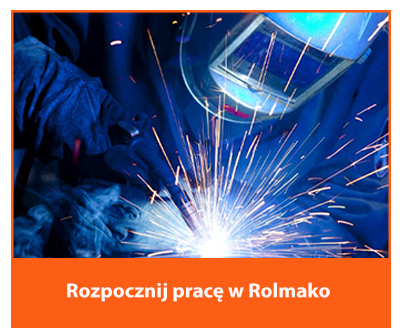


The choice of tillage machinery by farmers largely depends on field characteristics and crop variety. The type and quality of steel used in pre-sowing aggregates, disc harrows, stubble cultivators, and other tillage machinery significantly impact machine reliability, maintenance costs, overall productivity, and operational longevity. Operating tillage machinery in hard soil imposes heavy loads on agricultural equipment. The high strength of the Swedish fine-grained steel used by Rolmako enhances efficiency by enabling higher working speeds without unscheduled service and repairs. This use of special steels extends the interval between inspections and allows for optimal utilization of the machinery's cultivation capabilities.



Machines on the tractor front three-point linkage
Most farm tractors sold today are equipped with a front hydraulic lift. To meet the expectations of farmers, our company has introduced numerous proposals for machines mounted on the front of the tractor, which increases the cultivation capacity and profitability of the farm. Machines on the tractor front three-point linkage are a perfect solution to the high costs of tillage work by performing additional work within one tractor pass.
Front three point linkage machines — knowledge center
Machines mounted on the tractor's front three point linkage: FAQ
Machines mounted on the front three point linkage are attached to the front hydraulic lift found on most modern tractors. They enable better utilisation of a single working pass, add weight to the front axle, and combine the work of the front implement with a machine mounted at the rear. Click on a category to go to the topics that interest you.
Machines mounted on the front three point linkage – 3 most frequently asked questions
In this section, we have gathered 3 questions that most frequently arise when choosing agricultural machines mounted on the front three point linkage. They will help you quickly see what solutions you have to choose from, what the benefits of working with a machine at the front of the tractor are, and whether such a configuration fits your tillage technology.
The options for the front three point linkage include:
- a roller – Crosskill, Cambridge, ORION... for working on different soils;
- a knife roller – for cutting plant matter and catch crops;
- a disc harrow – for cutting and mixing residues;
- and a tillage cultivator – for preliminary soil loosening. In this category,
Rolmako offers Cambridge/Crosskill/Twin Disc/Campbell/ORION rollers, a disc harrow for the front three point linkage, a front cultivator, and the ProCut and TurboCut knife rollers.
Yes, on many farms, a machine on the front three point linkage replaces the conventional front weight. The difference is that instead of just weighing down the tractor, it also performs a specific task: it levels the soil, shreds residues, loosens the soil, or prepares the field for the next pass.
Working with a machine on the front three point hitch allows for better use of a single working pass. The front farm implement can prepare the soil or plant residue for the machine working at the rear, such as a roller, harrow, cultivator, or seeder. As a result, the front three point linkage is no longer just a place for ballast, and the entire setup can work more efficiently: with fewer passes across the field and better utilisation of the tractor's power.
Selecting the machine and technical parameters
Mounting a machine on the front three point linkage can bring tangible benefits if its weight, working width, and purpose are compatible with the tractor and the rear-mounted setup. In this section, we explain what to consider when selecting the agricultural machinery and its basic technical parameters.
The front press farm machine should perform a task that facilitates or complements the work of the machine at the rear. A roller can level and consolidate the soil ahead of a seeder or cultivator, a knife roller can shred a catch crop or post-harvest residue, and a disc harrow can pre-cut and mix the material. When selecting the combination, you should consider the objective of the pass, the working width, the operating speed, and the tractor's capabilities.
- The working width of the machine mounted on the front three point linkage should ideally be matched to the width of the rear implement so that the entire setup works at the same width.
- The weight should be suitable for the lifting capacity of the front three point linkage, the tractor's power, and the load of the rear machine. This ensures the front of the tractor is properly ballasted and the set-up remains stable during operation and transport.
Yes, but this depends on the specific design of the agricultural machine. In some designs, a single carrier frame can be used with different agri rollers sections or additional tools, making it easier to adapt the set-up to the soil and the planned operation. When choosing, it is worth checking what configurations the manufacturer offers for a particular model. A good example is the Rolmako front roller, which can be configured with various roller sections and additional equipment, among other options.
The choice of a specific type of machine depends on the desired effect and the implement working at the rear. A roller levels, crumbles, and consolidates the soil, while a knife roller cuts crop residue and catch crops. A disc harrow combines cutting with mixing, and a cultivator initially loosens the soil before the next operation. Simply put: choose the front roller or other agricultural machine based on what it needs to prepare for the farm implement working behind the tractor.
For machines mounted on the front three point hitch, it is worth considering farm equipment that improves the working effect, the stability of the set-up, or the ease of operation:
- different types of rollers – matched to the soil;
- a levelling drag or cultivator sections – for levelling and initial cultivation;
- cultivation discs – for cutting and mixing residue;
- road lighting – mandatory for transport on public roads; <
- maintenance-free bearings – when simpler in-season maintenance is a priority.
Operation adapted to field conditions
The configuration of the machine on the front three point linkage should be adapted not only to the tractor and the rear-mounted machine, but also to the field conditions. Below, we explain how to select the operating parameters for the set-up: front machine + rear machine.
Machines mounted on the front three point hitch are ideal for situations where two tasks can be combined in a single pass. They can be used for presowing, seedbed cultivation, field levelling, soil consolidation, cutting crop residue, mulching catch crops, or initial soil preparation ahead of the rear-mounted machine.
It is best to treat such a set-up as a single working system, not two separate machines. The front implement should perform the first stage of the task, e.g., level and consolidate the soil ahead of a seed drill, shred a catch crop before a disc harrow, or initially loosen the surface before a seedbed cultivator. This allows the second element of the set-up to work more stably, and the entire pass yields a more consistent result.
There is no single, optimal speed for all machines – a roller, harrow, cultivator, and knife roller work differently. If the goal is to level and compact the soil, the pass should be stable and even. When cutting residues, shredding catch crops, or performing initial loosening, the pace should allow the working elements to operate effectively without causing the machine to bounce or run unevenly.
A machine mounted on the front three point linkage should only work as deep as the planned operation requires. Rollers usually work shallowly: a tillage roller finishes the topsoil, while a knife roller cuts and destroys plant mass. A disc harrow or cultivator can go deeper if they are preparing the soil for the rear-mounted tool. Working too deep unnecessarily increases resistance and can impair the stability of the entire setup.
You can recognise a good result when both implements complement each other's work rather than interfering with each other during the pass. The front machine should prepare the soil or residues for the rear implement, and after the pass, the field should be level, with no unprocessed strips, blockages, or an overly disturbed surface. If the tractor drives stably and the result is consistent across the entire width, the combination is working correctly.
First aid: problems and setting adjustments
Below you will find a summary of the most common problems when working with a machine on the front three point linkage and the initial steps to take. Rolmako advisors can help if you provide the machine type, tractor model, the rear-mounted implement, and the field conditions.
The most common cause is improper machine levelling, incorrect working depth setting, or too great a difference between the work of the front and rear implements. It is worth checking the top link setting, side stabilisation, machine downforce, and whether both implements are working at a similar depth. If the problem only occurs in certain areas, it may also be due to field unevenness or variable soil moisture.
This usually means that the combination is too heavily front-loaded, the machine is working too deep, or it was not lifted at the right moment during the turn. To start, it's worth checking the machine's weight against the front three point hitch's lifting capacity and re-checking the settings of the entire combination. Also, try to:
- reduce the working depth;
- always lift the implement before starting a turn;
- and reduce the turning speed.
This is most often due to improper machine levelling, insufficient downforce, or operating in variable soil conditions. Check:
- the top link setting;
- side stabilisation;
- the working position of the front three point linkage;
- the depth adjustment elements.
If the machine sometimes digs in too deep and at other times comes out of the soil, the problem could also be excessive speed or an uneven field surface.
The plant matter is likely too damp, there is too much residue, or the machine is working too shallowly and, instead of cutting or mixing the material, it starts pushing it. It's worth:
- checking the moisture of the residue,
- adjusting the working depth and speed,
- making sure the machine has adequate clearance under the frame for such conditions.
If the problem persists, a more open design or a different type of tool may be needed for large amounts of residue. Our specialists can advise on which machine from the Rolmako range to choose for specific cultivation sets.
If, after adjusting the depth, speed, pressure, and levelling, the machine still doesn't produce the desired effect, the problem may be the choice of machine for the working conditions. The warning signs are:
- repeated clogging;
- insufficient cutting of residue;
- uneven operation of the set;
- excessive tractor load.
In such a situation, it is worth comparing the purpose of the treatment, the soil type, the amount of residue and the machine working at the rear. Then, consult with Rolmako's advisors, who will propose an in-house solution tailored to your field's needs.
Didn't find the answer?
Get in touch – Rolmako advisors will help you choose and configure the right machine for the front three point linkage for your field conditions.

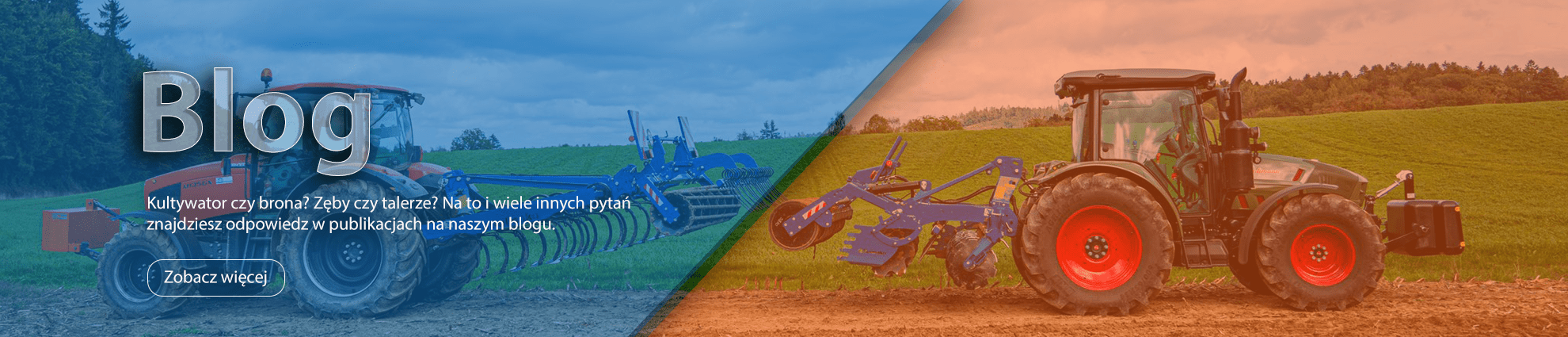
Uncertain about which tillage roller to select? This publication is for you
When configuring a tillage device, the primary consideration is selecting the appropriate tillage roller, based on the soil it will operate on and the desired outcome. Depending on its construction, the roller can compact soil at varying depths. The tool can either cultivate the entire soil surface, perform strip work, or additionally cut plant residues. To choose the most suitable roller, please refer to our publication.
Diverse soil
and working conditions require individual adjustments
Each tillage machine is engineered for specific soil conditions, underscoring the importance of proper device configuration and selection of suitable working elements. When constructing agricultural machinery, we understand that a farmer managing diverse soil types requires a versatile machine effective in heavy clay, sandy, or stony soil. This presentation aims to assist our dealers and farmers in selecting the right agricultural machines by identifying suitable working tools, chisels, shares, and discs for specific crops and desired outcomes.
Design office
Our design facilities enable us to proactively implement changes and improvements to products, eliminating potential issues at the design stage before producing the first prototype.
Product research
and development
The most important aspect for us is the field test and the positive feedback from farmers regarding the performance of our new products. Before the machine receives the company's characteristic blue color, it undergoes extensive development before reaching the customer.
Polish export product with a foreign
sales ratio exceeding 80%
The high share of exports is not accidental.
Rolmako machines have been successfully
competing with international agricultural equipment
for many years. Polish Rolmako agricultural machines
predominantly operate in fields within countries that have
stringent requirements for agricultural equipment. Our
products have demonstrated their effectiveness across
various soil systems. Numerous companies
in the agricultural sector have already recognized
Rolmako as a reliable partner for modern agriculture.
Flexible configuration of tillage machines tailored to soil requirements
An individualized approach to each client, along with global collaboration and experience exchange, has enabled us to develop numerous configurations and additional equipment for agricultural machines to suit specific field conditions. The extensive range of available options for cultivation machines ensures that you can select the optimal solution that meets your expectations regarding work efficiency, quality of working elements, and financial considerations.
Technology giving an advantage
over the competition
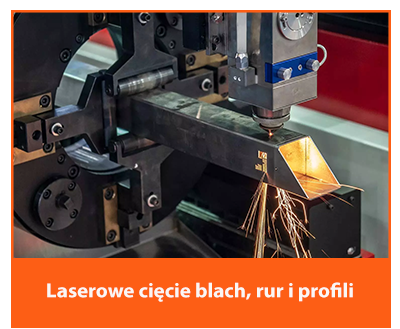
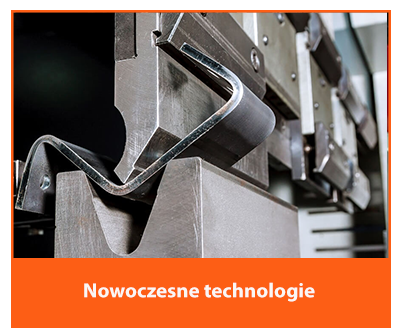
Production at the Rolmako factory is based on human labor, which is supported by modern automatic devices. The company employs the latest numerically controlled machines, including lasers for sheet metal processing, a center for profile and pipe processing, plasma and gas cutters, press brakes, universal shears and guillotines for cutting, hydraulic and mechanical presses, lathes, milling machines, shapers, hardening furnaces, pneumatic and rotary shot blasting machines, and robotic welding. The company is equipped with a warehouse with a large stock of metallurgical products, an automatic sheet storage system, and machine components. The technology used by the company, backed by expert human labor, allows achieving production results that will satisfy the most demanding customer.
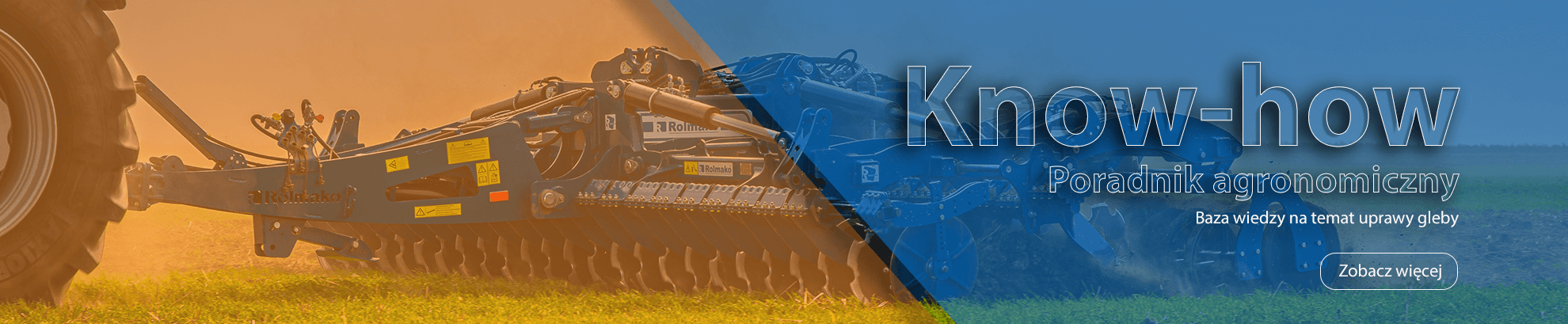
Tillage machines are highly durable due to the use of specialized steels
Why Choose Rolmako?
Superior machine quality at an optimal price ratio and beyond
Our expertise, experience, and commitment to continuous development have enabled us to achieve the most favorable quality-price ratio of agricultural machinery. This excellent ratio allows us to consistently and dynamically increase sales, making our products highly attractive in the agricultural market. Purchasing a Rolmako machine is an investment that pays off, ensuring maximum efficiency and low operating costs, thereby guaranteeing a quick return on investment. We trust in the quality of our machines, which will not only meet but exceed expectations in the most demanding conditions.
Machines friendly to both soil and farmer; cultivation should benefit, not harm, the soil
Who understands a machine better than the farmer who operates it daily?
Our agricultural machines are esteemed by farmers globally.
Here are some facts:
- oversized structures
- high-grade fine-grained construction steels
- reduced weed infestation thanks to ultra-shallow cultivation
- using fewer chemical agents
- water retention in the soil
- high-quality working elements
- easy-to-use agricultural tools
- low operating costs
- low energy demand
- good after-sales service
Sustainable agriculture
according to Rolmako
Our objective is to produce versatile agricultural machinery that delivers optimal results in sustainable farming systems. The comprehensive range of implements and a broad selection of working elements in a single machine enable us to achieve this. By performing multiple operations in one pass, our machines promote sustainable agriculture by minimizing fuel consumption, reducing greenhouse gas emissions, and limiting soil erosion, thereby contributing to more efficient use of natural resources.
Advantages of selecting Rolmako:
- comprehensive selection of available tillage tools
- working elements and other wear components exclusively from market leaders
- swedish quality fine-grained steel S500 and S700
- enhanced crop productivity through cutting-edge technologies
- optimal time efficiency
- increased profitability from soil cultivation
- competitive spare parts pricing
- low acquisition costs relative to the benefits achieved