

1982





The Agricultural machinery Rolmako brand has become a recognisable manufacturer of tillage machinery and other farm equipment in Poland and on many global markets. In this section, we have gathered answers to the questions that most frequently arise during trade fairs, field demonstrations, conversations with dealers, and daily contact with farmers. Here you will find information about the company, production quality, technology, machine configuration, and Rolmako's approach to modern cultivation systems. Click on a category to go to the topics that interest you.
In this section, you will find the most important information about agricultural machine manufacturer Rolmako in a nutshell.
Yes. Rolmako is a Polish manufacturer of agricultural machinery founded in 1982, with its headquarters in Psary Małe, near Września. The company primarily specialises in tillage machinery (mainly for minimum tillage and no till farming), develops its own design and production facilities, and exports a significant portion of its production to foreign markets.
Rolmako tilling machines stand out due to their combination of robust construction, high- quality components, extensive configuration options, and the best quality-to-price ratio on the market. The company designs its tilling machines and other farm equipment for operation in demanding field conditions, and develops its design solutions based on working tests and user feedback from various markets worldwide.
Rolmako agricultural machine manufacturer has been developing its export sales for years because the company's machines are designed to work in various soil and climate conditions. As a manufacturer, it focuses on durability, modern technologies, configuration flexibility, and components from reputable suppliers, which is why its equipment competes with brands present on the most demanding European and global markets.
In this part of the FAQ, we explain how farm machinery manufacturer Rolmako understands its specialisation, which cultivation systems it supports, and how it approaches cooperation with farmers.
Rolmako agricultural machinery develops machines primarily intended for minimum tillage, no-till farming, and Ultra-shallow cultivation, as well as seedbed cultivation solutions. This approach allows for combining soil preparation with subsequent stages of fieldwork, reducing the number of passes, and adapting the technology to the farm's conditions.
Rolmako agricultural machinery primarily specialises in tillage machinery, and no till farming is one of the important areas of this specialisation. The company develops machines designed for working without a plough, but does not limit its offer to a single technology – it creates machines for farms that want to gradually transition to minimum tillage, no till farming, or other systems that limit intensive soil mixing.
Yes, but agricultural machine producer Rolmako approaches this topic primarily from a practical standpoint: it promotes sustainable agriculture by developing machines for modern tillage that help to better adapt working technology to field conditions, reduce unnecessary passes, and use equipment more efficiently on the farm. The company combines this direction with robust construction, low operating costs, and the ability to configure machines for different cultivation systems.
Rolmako develops minimum tillage and ultra shallow cultivation technologies because an increasing number of farms are looking for faster, less intensive, and better-adapted ways of working with the soil. This approach allows for reducing the number of passes, reacting more quickly after harvest, working with crop residues, and preparing the field without excessively disturbing the deeper layers. For Rolmako, this is a natural development of its specialisation in tillage machinery, which aims to combine efficiency, durability, and high- quality work in various field conditions.
Rolmako sees its cooperation with farmers as an important source of knowledge about how machines perform in real field conditions. User feedback, field tests, and experiences from various farms help the company develop its designs, adapt configurations to customer needs, and respond more quickly to issues that arise during daily operation. Suggestions from farmers and dealers are highly valued as they can influence the refinement of configurations, equipment, and solutions that enhance the machines' usability in specific working conditions.
Yes, although this usually doesn't mean designing each machine from scratch. Farm machinery manufacturer Rolmako creates designs with extensive configuration possibilities, allowing the machine to be adapted to the soil type, tractor power, tillage system, expected working depth, and farm management style. In practice, this means selecting the appropriate working elements, rollers, adjustment systems, suspension, or additional equipment.
Rolmako develops tilling machines designed for many years of service in demanding field conditions. This section answers questions about the solutions that contribute to the durability and manufacturing quality of the machines.
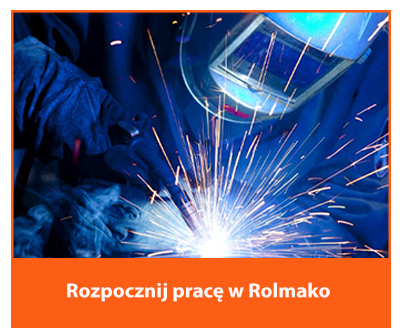
Rolmako tilling machines are manufactured in Psary Małe, near Września, in the Wielkopolska province. The company is developing its own design and production facilities there, using modern steel processing technologies, automated welding, and an extensive infrastructure for manufacturing agricultural machinery.
Yes. Rolmako has its own design office, which is responsible for the development and improvement of tilling machines and other farm equipment right from the design stage.
The design process for new Rolmako agricultural machines begins with a concept and the selection of a solution intended to work in specific conditions. The company then prepares a design, a visualisation, and a prototype, and before being put into production, the machine undergoes field trials. This allows the design to be refined before it is sold, particularly in terms of work quality, durability, and ease of daily operation.
Yes. Before being put into production, Rolmako machines undergo trials in field conditions, as the company considers field testing the most important stage in evaluating a new design. Only after verifying the quality of its work, collecting user feedback, and refining the details is the machine added to the machinery manufacturer's regular product range.
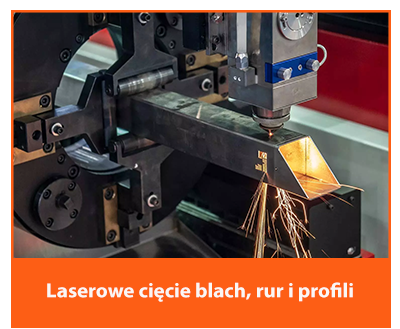
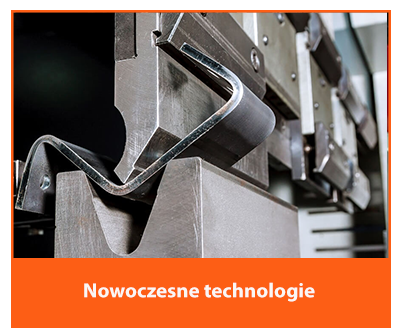
Rolmako uses modern steel processing and protection technologies, including laser processing, plasma cutting, automated welding, shot blasting of steel components, heat treatment, and powder coating.
Rolmako machines use high-quality metallurgical products selected for the loads that soil- engaging structures are subjected to. The company uses, among others, Swedish fine-grain steels S500MC and S700MC, carbon and boron steels for heat treatment, and wear-resistant Hardox steel.
Yes. Agricultural machine producer Rolmako uses components from renowned suppliers, including OFAS, SKF, FKL, Bellota, and Scharmüller, as well as proven hydraulic components, springs, rubber products, and cast iron parts.
Rolmako tilling machines are designed to work in tough field conditions with large tractors, placing significant strain on the working elements. The greater amount of steel in the design is meant to maximise the frame's durability, operational stability, and the tools' ability to penetrate the soil, eliminating the need to add extra weight to the machine in demanding conditions.
For Rolmako, 'best value for money' means combining a durable, well-equipped agricultural machine with a price that justifies the investment for the farm. It's not just about a low purchase cost, but about the balance between the quality of workmanship, branded components, configuration options, field performance, and operating costs over subsequent seasons.
Rolmako ensures machine durability right from the design stage by selecting the construction, materials, and components to withstand demanding field conditions. The company uses high-quality steel, heavy-duty frames, branded components, modern production technologies, and field tests to minimise the risk of breakdowns and extend the machines' service life on the farm.
Choosing a Rolmako agricultural machines doesn't end with selecting a model. In this section, we answer questions about configuration and tailoring the equipment to the soil type, farm conditions, and tillage technology.
Yes. Rolmako machines can be configured based on tractor power, linkage method, working width, adjustment system, type of roller, and the intended tillage technology. This allows the same machine group to be adapted for a variety of tasks.
In practice, this means selecting the appropriate roller, working elements, depth adjustment method, linkage variant, or additional equipment to match the machine to the soil: whether it's light, heavy, dry, compact, or requires better levelling and consolidation.
Rolmako offers over 30 types of rollers such as: front roller, rear tillage and also general soil cultivation agricultural rollers. These can be selected according to the farm machine type, soil type, and the desired working result.
Yes. Rolmako offers various linkage, mounting, and equipment options for its agricultural machinery, and the range of available choices depends on the specific model. Configurations can include mounted and semi-mounted versions, mechanical or hydraulic drawbars, transport carriages, seed drill couplers, different types of rollers, working elements, and depth adjustment systems.
Rolmako agriculture machines operate in many countries, and the brand's growth is based not only on sales but also on dealer support, parts availability, and communication with users. In this section, we explain our export process, after-sales service, and collaboration with our business partners.
Rolmako farming machines are exported to over 30 countries outside Poland. The company focuses its sales development mainly on European markets (including Germany, Great Britain, France, Spain, Italy, and Finland), but its machines also operate in other parts of the world, including Africa, North America, and Australia.
The large share of foreign sales demonstrates that the brand can compete with manufacturers in countries with high demands for agricultural equipment, without losing its price-to-quality advantage. For years, Rolmako farming machines have proven themselves in demanding foreign markets, where structural durability, quality of fieldwork, configuration availability, and investment profitability are key.
Yes. Rolmako designs machines with daily operation in mind, which is why the most popular spare parts and working components are based on solutions readily available on the agricultural parts market. However, it is advisable to use high-quality, company- recommended components in the machines, as they affect durability, operational safety, and running costs in subsequent seasons.
The Rolmako brand is committed to responding quickly to customer enquiries, maintaining machine efficiency in subsequent seasons, and using user feedback to continuously improve its designs. Rolmako's after-sales support includes assistance with problems arising during machine operation, advice on spare parts, and contact with company representatives or dealers.
Yes. Rolmako develops its sales in cooperation with dealers, farm equipment suppliers and commercial partners, both in Poland and in foreign markets. The company sees its dealer network as a key element of its strategy, which is why it supports partners with sales materials, product training, technical advice, and assistance in configuring machines for specific customer needs and working conditions.
Yes. Rolmako provides training for its dealers and commercial partners to help them become familiar with the product range, machine configurations, available equipment options, and the advantages of specific solutions. Training can take place at the manufacturer's headquarters or remotely, and its purpose is to better prepare sales staff to advise farmers and select machines for specific working conditions.
Rolmako provides sales and technical materials online to help customers learn about the product range and prepare a machine configuration. These include a product catalogue, a technical and commercial catalogue with basic machine dimensions and parameters, current price lists, a photo gallery, and materials presenting the available equipment options.
Get in touch – our advisors will be happy to answer any other questions about Rolmako and help you find the right machine for your farm.