




Stubble and universal cultivators
Machines equipped with tines as the primary ploughing tool are utilized for stubble cultivation, mixing natural fertilizers, no-plough farming, and various other agrotechnical operations. The purpose and versatility of these units depend on the type of working tines employed. Cultivation machines designed for universal application feature a plough beam compatible with various working elements suited to different field treatments.


Stubble and Universal Cultivators – 3 Frequently Asked Questions
Stubble and universal cultivators are ideal where field cultivation needs to begin quickly after the harvest. Their application depends on the configuration of the working elements and the roller, allowing them to be adapted for various tillage operations. Click on a category to go to the topics that interest you.
Stubble and Universal Cultivators – 3 Frequently Asked Questions
In the section below, we have gathered the most common questions asked before choosing equipment for post harvest cultivation and operations in no till and minimum tillage systems. You will learn what stubble and universal crop cultivators are used for, how they differ from pre-sowing cultivators, and how to choose the right type of machine.
Stubble and universal cultivators are primarily used for the first cultivation after the harvest: undercutting stubble, mixing post harvest residue with the soil, and stimulating the emergence of volunteers and weeds. Depending on their configuration, they can also be used for deeper soil loosening, no till farming, and preparing the field for subsequent operations.
In short: a stubble cultivator begins cultivation after the harvest, while a seedbed cultivator finishes preparing the field before sowing.
- A stubble cultivator is used after the harvest when it is necessary to undercut the stubble, mix in the residue, and stimulate the emergence of volunteers.
- A pre-sowing cultivator comes in later, directly before sowing, to level the surface, break up clods, and prepare a stable seedbed.
A stubble cultivator is designed mainly for post harvest work in fields with crop residue, whereas a universal crop cultivator can work in such conditions, but its use is not limited to post harvest cultivation. Therefore:
- If the main task is quick post harvest cultivation, undercutting stubble, and mixing residue, choose a machine designed specifically for stubble cultivation.
- If the cultivator also needs to work in a minimum tillage system, loosen the soil more deeply, or handle various operations throughout the season, a universal design will be a better choice.
Selecting and configuring a cultivator for post harvest cultivation and other operations
This category includes machines for post harvest cultivation and other operations because stubble and universal crop cultivators can work in various conditions and at different depths. Therefore, when making a choice, consider the soil type, the amount of residue, the planned working depth, and whether the cultivator will also be used for other operations in a minimum tillage or no till farming system.
- For light soil and a small amount of residue, you can opt for a simpler configuration for shallow post harvest cultivation.
- For medium soil, the key is usually a balance between undercutting, mixing residue, and levelling the surface.
- On heavy, compacted soils or after crops that leave a lot of plant residue, important factors are: greater clearance under the frame, stronger tines and overload protection, and well-chosen cutting elements and a roller.
If the priority is to undercut the stubble and mix the residue with the soil, choose a stubble cultivator (e.g. the Multifunctional tillage cultivator Rolmako U436). If you are mainly concerned with the ultra-shallow stimulation of volunteers, distributing residue and limiting moisture loss, a mulch harrow (e.g. the SpringExpert) or a disc harrow for ultra-shallow cultivation (e.g. the SpeedCutter disc harrow) would be better. A combination cultivator from Rolmako (e.g. the ComboTill) is the right choice when you want to combine both effects: the action of the tines in the soil and the surface action of a harrow.
Select the working width so that the tractor can maintain the appropriate speed and working depth under your farm's typical conditions. As a guide: a 3m cultivator may require approx. 90–120 HP or more, depending on the depth, soil type, machine weight, and amount of residue. For shallow work on light soil, a smaller power reserve is sufficient, but on heavy or compact soil, or with a large amount of straw, it is better to choose a narrower machine than to work at a lower speed at the limit of the tractor's pulling power. If you are in doubt about choosing the cultivator width, a smaller machine will always be a safer choice.
A good roller should complete the cultivator's work: level the surface, stabilise the working depth, and lightly compact the soil after the pass. For light soils, a Pipe roller, String roller, or a pipe-and-ring roller is usually sufficient. For heavy, hard, or cloddy soils, a roller with a more intensive crumbling action, such as a ring roller, Toothed Packer roller, Crosskill roller, or a steel roller, will perform better. If there is a lot of residue left in the field, the free flow of material and the roller's resistance to clogging are also important. At Rolmako, we offer several dozen different rollers and will be happy to help you choose the right one for your field conditions.
The choice of working elements affects the effectiveness of stubble undercutting, residue mixing, power demand, and fuel consumption. If the goal is to completely undercut the stubble, choose tines with undercutters or wings. If the cultivator is intended to work deeper and loosen the soil more intensively, chisels or narrower shares, which reduce working resistance, will be a better choice. With a large amount of residue, the shape of the tines and working points is also important, as they influence how straw is mixed with the soil and how material flows through the machine.
Tine protection is selected mainly based on the number of stones and the risk of overload in the field. Shear bolt protection works well on even, less stony ground where obstacles are encountered sporadically. Spring protection handles more frequent overloads well, as the tine can deflect and return to its working position. Hydraulic non-stop protection is worth choosing for difficult and variable conditions and stony fields, where smooth operation without frequent stops is crucial.
A universal cultivator can handle a large amount of post harvest residue if it is selected for such conditions. A large quantity of straw, stalks, or catch crop (e.g., after maize, rapeseed, or a tall catch crop) requires free material flow through the machine, adequate clearance under the frame, proper tine spacing, and a roller that is resistant to clogging. When residue starts to build up in front of the working sections, the cultivator clogs or leaves unprocessed strips, it may mean that a different configuration or a more specialised machine is needed.
Timing of operation, field conditions and working parameters
The effect of a cultivator's work depends not only on the agricultural machine itself but also on the timing of the operation, the depth, speed, and soil moisture conditions. In this section, we focus mainly on post harvest cultivation, but the same parameters are also important in minimum tillage and no till farming. We explain how to set up the machine after the harvest and how to assess whether the cultivator has done its job well.
For the first pass after harvest, the stubble cultivator is usually set shallowly to undercut the stubble, stop water evaporation, and stimulate volunteers and weeds to sprout. Deeper work makes sense when it is necessary to mix post harvest residue more thoroughly with the soil or to loosen a compact layer. Setting the machine too deep unnecessarily increases resistance and can worsen the result of the operation.
The working speed is best selected after a short trial in the field and an assessment of the effect behind the machine. A good speed is one that allows the cultivator to evenly undercut the stubble, mix residue, and maintain the set working depth.
- If you drive too slowly, the machine may not mix the straw with the soil as effectively.
- If you drive too fast, the cultivator may bounce, leave unprocessed strips, or work unevenly.
The first pass is most often carried out shortly after the harvest, before the soil dries out excessively and the post harvest residue starts to hinder even work. However, it is important for the soil to have the right moisture content and load-bearing capacity. If the field is too wet, it's better to wait, because instead of undercutting the stubble, you might end up smearing the soil and achieving a poorer result after the pass.
It depends. If the goal is to quickly stimulate volunteers and weeds, a shallow undercutting of the stubble and light mixing of the topsoil is usually sufficient. When there is a lot of straw, stalks, or catch crop left in the field, it becomes more important to mix the residues better with the soil. The choice of settings therefore depends on the amount of plant mass, soil moisture, and whether the operation is intended to be the first shallow pass or a more intensive post harvest cultivation.
It is best to carry out a shallow, even pass shortly after the harvest, while the soil still has moisture. The aim is to lightly mix the seeds with the top layer of soil and create conditions for them to germinate, so they can be destroyed in a subsequent operation.
After the pass, the stubble should be evenly undercut, and the post harvest residues partially mixed with the soil or spread on the surface – depending on the objective of the operation. There should be no clearly unworked strips, blockages, large clods, or deep furrows. If the result is consistent across the entire working width, the cultivator is working correctly.
First aid: problems and setting adjustments
When a stubble cultivator doesn't undercut the entire surface, gets clogged with residue, offers too much resistance, or leaves an uneven field, it's usually best to start by adjusting the settings and assessing the working conditions. Below, we describe the most common problems and the initial steps to help you find the cause. Rolmako advisors can help if you provide the cultivator model, soil type, amount of post harvest residue, and working depth.
The problem usually stems from working too shallowly, worn chisels, or incorrectly selected shares. To begin with, check:
- the working depth,
- the machine's levelling,
- the condition of the working elements,
- the width and setting of the shares,
- the operating speed.
If the cultivator leaves strips of uncultivated soil, it may also require a different configuration of the working elements.
Clogging is usually caused by damp residue, too much straw, insufficient clearance, or incorrect working settings. First of all, check:
- residue moisture,
- the amount and chopping quality of the straw,
- working depth,
- travel speed,
- clearance under the frame,
- the settings of the roller and the working elements.
If residues are building up in front of the working sections, you may need to adjust the settings or use a machine with a more open design.
Poor mixing of residues is usually the result of working too shallow, incorrect travel speed, worn working elements, or the cultivator being unsuitable for the amount of straw. Try adjusting the following:
- working depth,
- travel speed,
- roller setting.
In addition, check:
- the condition of the tines, chisels, shares, or undercutters,
- the amount and chopping quality of the residues.
If straw is left on the surface in strips, the cultivator may require a different configuration of working elements, a greater working depth, or a speed adjustment.
The cultivator is most likely not levelled correctly, is working too deep, or the levelling section and the roller cannot keep up with levelling the soil after the tines. It's a good idea to check the settings of the levelling discs, the roller, and the working depth. If the unevenness only appears in certain spots, the cause could be wheel ruts, variable soil moisture, or an uneven amount of residue. Most often, a levelling section on the machine that is working too deep will cause unevenness in the field.
Most often, the cultivator:
- it is working too deeply,
- it has working elements that are too wide,
- it is not matched to the tractor's power and soil conditions.
Resistance increases, especially on heavy, compact, or dry soil and with a large amount of residue. It is advisable to reduce the working depth, check the travel speed, the condition of the chisels and side shares, and assess whether the working width of the cultivator is not too large for the tractor.
First, check the settings that stabilise the machine's operation:
- the cultivator's levelling,
- the top link setting,
- the depth adjustment,
- the operation of the roller or support wheels,
- the travel speed,
- the condition of the chisels, shares, and side shares.
If the depth continues to vary despite adjustments, the problem may be that the tillage machine is too light for the significant unevenness of the field surface, overly hard soil, or large differences in moisture.
If the problem disappears after adjusting the depth, speed, levelling, roller, or working elements, it was likely due to the settings. If, despite these changes, the cultivator still gets clogged, fails to undercut the entire surface, mixes residue poorly, or overloads the tractor, the cause may be a mismatch between the configuration and the soil, amount of residue, or tractor power. In such a situation, it is worth consulting with Rolmako advisors about the choice of machine and providing them with the field working conditions.
Didn't find the answer?
Get in touch – Rolmako advisors will help you choose and configure the right stubble or universal cultivator for your field conditions.

Uncertain about which tillage roller to select? This publication is for you
When configuring a tillage device, the primary consideration is selecting the appropriate tillage roller, based on the soil it will operate on and the desired outcome. Depending on its construction, the roller can compact soil at varying depths. The tool can either cultivate the entire soil surface, perform strip work, or additionally cut plant residues. To choose the most suitable roller, please refer to our publication.
Diverse soil
and working conditions require individual adjustments
Each tillage machine is engineered for specific soil conditions, underscoring the importance of proper device configuration and selection of suitable working elements. When constructing agricultural machinery, we understand that a farmer managing diverse soil types requires a versatile machine effective in heavy clay, sandy, or stony soil. This presentation aims to assist our dealers and farmers in selecting the right agricultural machines by identifying suitable working tools, chisels, shares, and discs for specific crops and desired outcomes.
Design office
Our design facilities enable us to proactively implement changes and improvements to products, eliminating potential issues at the design stage before producing the first prototype.
Product research
and development
The most important aspect for us is the field test and the positive feedback from farmers regarding the performance of our new products. Before the machine receives the company's characteristic blue color, it undergoes extensive development before reaching the customer.
Polish export product with a foreign
sales ratio exceeding 80%
The high share of exports is not accidental.
Rolmako machines have been successfully
competing with international agricultural equipment
for many years. Polish Rolmako agricultural machines
predominantly operate in fields within countries that have
stringent requirements for agricultural equipment. Our
products have demonstrated their effectiveness across
various soil systems. Numerous companies
in the agricultural sector have already recognized
Rolmako as a reliable partner for modern agriculture.
Flexible configuration of tillage machines tailored to soil requirements
An individualized approach to each client, along with global collaboration and experience exchange, has enabled us to develop numerous configurations and additional equipment for agricultural machines to suit specific field conditions. The extensive range of available options for cultivation machines ensures that you can select the optimal solution that meets your expectations regarding work efficiency, quality of working elements, and financial considerations.
Technology giving an advantage
over the competition
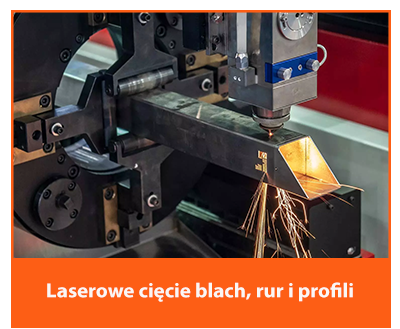
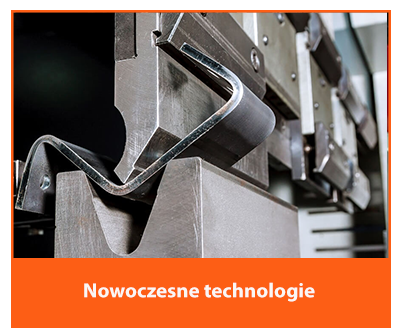
Production at the Rolmako factory is based on human labor, which is supported by modern automatic devices. The company employs the latest numerically controlled machines, including lasers for sheet metal processing, a center for profile and pipe processing, plasma and gas cutters, press brakes, universal shears and guillotines for cutting, hydraulic and mechanical presses, lathes, milling machines, shapers, hardening furnaces, pneumatic and rotary shot blasting machines, and robotic welding. The company is equipped with a warehouse with a large stock of metallurgical products, an automatic sheet storage system, and machine components. The technology used by the company, backed by expert human labor, allows achieving production results that will satisfy the most demanding customer.
Tillage machines are highly durable due to the use of specialized steels
The choice of tillage machinery by farmers largely depends on field characteristics and crop variety. The type and quality of steel used in pre-sowing aggregates, disc harrows, stubble cultivators, and other tillage machinery significantly impact machine reliability, maintenance costs, overall productivity, and operational longevity. Operating tillage machinery in hard soil imposes heavy loads on agricultural equipment. The high strength of the Swedish fine-grained steel used by Rolmako enhances efficiency by enabling higher working speeds without unscheduled service and repairs. This use of special steels extends the interval between inspections and allows for optimal utilization of the machinery's cultivation capabilities.
Why Choose Rolmako?
Superior machine quality at an optimal price ratio and beyond
Our expertise, experience, and commitment to continuous development have enabled us to achieve the most favorable quality-price ratio of agricultural machinery. This excellent ratio allows us to consistently and dynamically increase sales, making our products highly attractive in the agricultural market. Purchasing a Rolmako machine is an investment that pays off, ensuring maximum efficiency and low operating costs, thereby guaranteeing a quick return on investment. We trust in the quality of our machines, which will not only meet but exceed expectations in the most demanding conditions.
Machines friendly to both soil and farmer; cultivation should benefit, not harm, the soil
Who understands a machine better than the farmer who operates it daily?
Our agricultural machines are esteemed by farmers globally.
Here are some facts:
- oversized structures
- high-grade fine-grained construction steels
- reduced weed infestation thanks to ultra-shallow cultivation
- using fewer chemical agents
- water retention in the soil
- high-quality working elements
- easy-to-use agricultural tools
- low operating costs
- low energy demand
- good after-sales service
Sustainable agriculture
according to Rolmako
Our objective is to produce versatile agricultural machinery that delivers optimal results in sustainable farming systems. The comprehensive range of implements and a broad selection of working elements in a single machine enable us to achieve this. By performing multiple operations in one pass, our machines promote sustainable agriculture by minimizing fuel consumption, reducing greenhouse gas emissions, and limiting soil erosion, thereby contributing to more efficient use of natural resources.
Advantages of selecting Rolmako:
- comprehensive selection of available tillage tools
- working elements and other wear components exclusively from market leaders
- swedish quality fine-grained steel S500 and S700
- enhanced crop productivity through cutting-edge technologies
- optimal time efficiency
- increased profitability from soil cultivation
- competitive spare parts pricing
- low acquisition costs relative to the benefits achieved