



Blog
Ecologically means mechanically - modern weed control
In agriculture, there are visible trends to revert to non-chemical methods of farming. The European Union is phasing out some herbicides by regulation, such as the notorious glyphosate, the use of which is gradually being restricted. Additionally, ecological, i.e., mechanical, methods of weed control are supported and disseminated. Rolmako's offerings include weed control machines such as ActiVAgro, Matrix, and SpringExpert. Modern methods of mechanical weed control are ecological, economical, and, above all, effective.

Fighting Weeds in the Light of EU Regulations – Direction and Trends
In recent years, increased interest in alternative weed control methods has emerged, driven by concerns for environmental protection and potential water contamination by certain herbicides. Additionally, some species' resistance to active substances challenges effective plant protection. The insufficient number of selective herbicides for numerous crops, particularly small crops, compels farmers to seek alternative solutions. The limitations of chemical weed control necessitate the use of mechanical methods, thereby reducing the reliance on manual labor.

European Union Regulations and Registration of Plant Protection Products
Under current EU regulations, each plant protection product must undergo a registration process, which includes completing documentation and conducting repeated tests, including biological effectiveness. Many active substances that have been used for years must undergo this procedure, which may lead to their withdrawal from trade.

Identifying alternative methods of weed control is becoming a priority for ensuring sustainable agricultural development.
Integration of Various Plant Protection Methods
The contemporary approach to plant protection entails the integration of diverse weed control methods, including mechanical and biological techniques, alongside the application of best practices in plant protection. The prudent decision to initiate weed control, the selection of the optimal timing, and the application of the appropriate dosage are pivotal for effective weed management with minimal environmental impact.

Customers prefer eco
Currently, there is a noticeable rise in ecological awareness among consumers, who increasingly prefer ecological products. This shift in preferences is primarily driven by growing concerns for the environment and health. Organic products, such as flour, vegetables, and fruit, are available at both small markets and large chain stores.

Customers are increasingly aware of the negative impact of traditional production methods on the planet, prompting them to purchase products produced sustainably and integratively. Additionally, growing understanding of the relationship between personal health and environmental state further motivates consumers to choose ecological products. Ethical production and fair trade are becoming increasingly important, and local production is supported by those concerned with community development. With the growing availability of ecological products, customers have more opportunities to make conscious purchasing choices, contributing to a more sustainable society and natural environment.

A farmer's investment in mechanical weed removal garners appreciation from consumers, who consciously increasingly select products from integrated and organic farming.
Mechanical weed control – A Step Forward or a Challenge?
Rather than relying solely on herbicides, farmers are increasingly turning to proven techniques already used in agricultural practice. The need for new solutions means many known methods of controlling weeds are being rediscovered. These methods, based on ecological and sustainable development principles, are gaining popularity.

Principles of Mechanical Weed Control
Mechanical weed control is a component of ecological and sustainable plant production. The effectiveness of this process is dependent on adherence to specific principles and practices. Controlling weeds at the germination stage is essential for achieving optimal results.

Maintaining soil in good condition and working with slightly dry soil facilitates mechanical weeding. Adjusting cultivator width to cultivation spacing and precise weeding aids in effective weed control while reducing manual labor. Notably, nighttime work significantly reduces weed infestation by limiting light's influence on seed and weed germination. The process's effectiveness also depends on weather conditions, making proper timing and practices essential for desired results.

Controlling Germinating Weeds: Optimal results are achieved by targeting weeds at the initial germination stage.
Good Soil Culture: Maintaining soil in good condition enhances suitability for mechanical tillage and weed control.
Working on Slightly Dry Soil: Mechanical weeding is more effective when the soil is slightly dry.
Adjusting the Width of Weeders: Weeder widths should align with crop spacing to ensure effective weed control.
Precise Weeding: Narrower unweeded strips reduce the need for manual weeding; hence, it is crucial to adjust weeder widths accordingly.
Adequate Soil Moisture: Avoid weeding crops when the soil is too moist to prevent weeds from taking root.
Time of Day: Nighttime weeding can significantly reduce weed infestation as light influences weed seed germination.
Effectiveness Depending on Weather Conditions: Mechanical weeding is most effective on sunny days, particularly for germinating weeds. Rainy conditions significantly reduce this effectiveness.

Agricultural Equipment for Mechanical Weed Control
Rolmako is a leading manufacturer of high-quality agricultural equipment. Addressing contemporary needs for efficient mechanical weed control, the company has designed and produced specialized equipment for this purpose. Notable examples include the weeder and rotary hoe.

Weeder from Rolmako
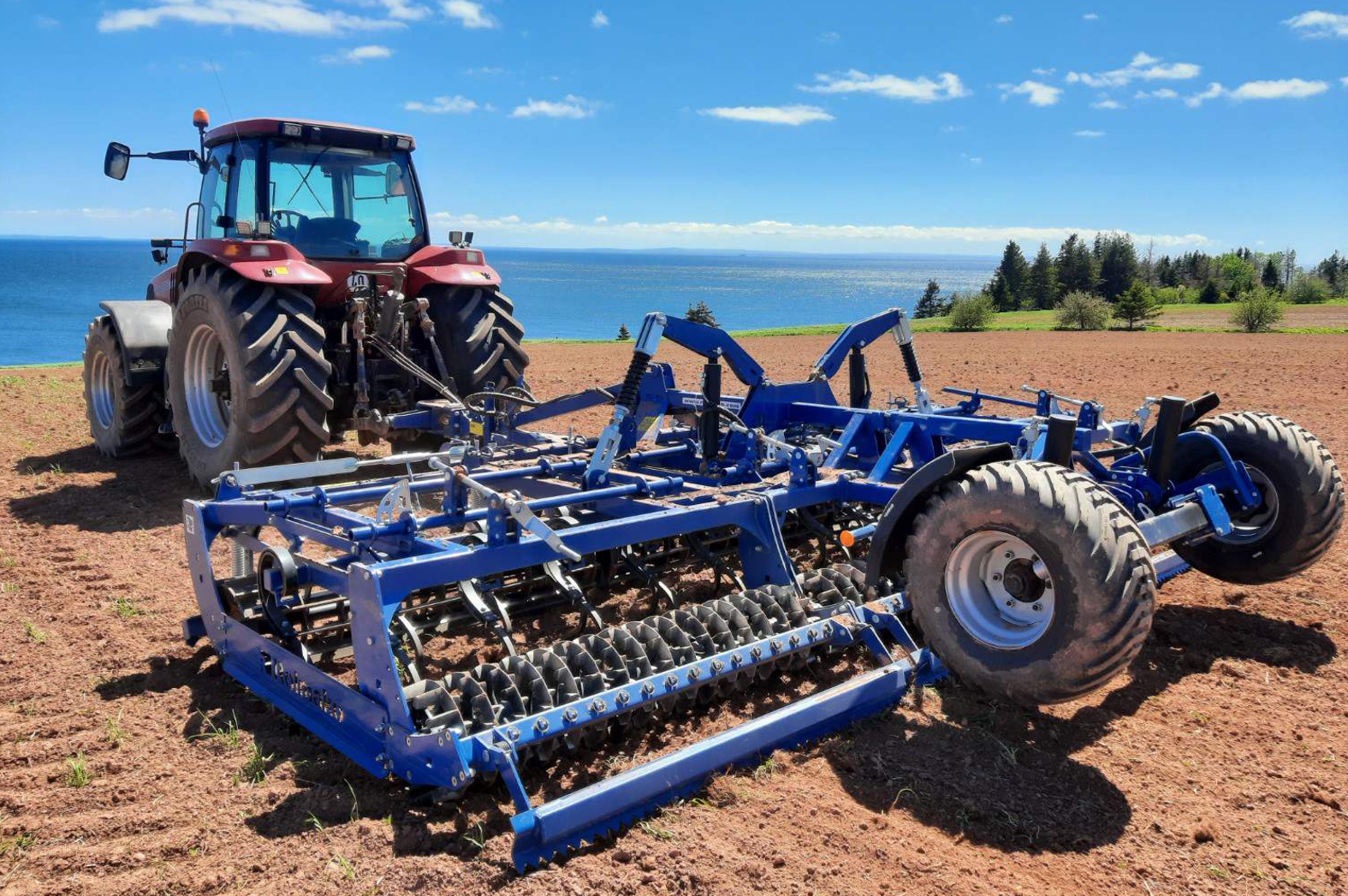
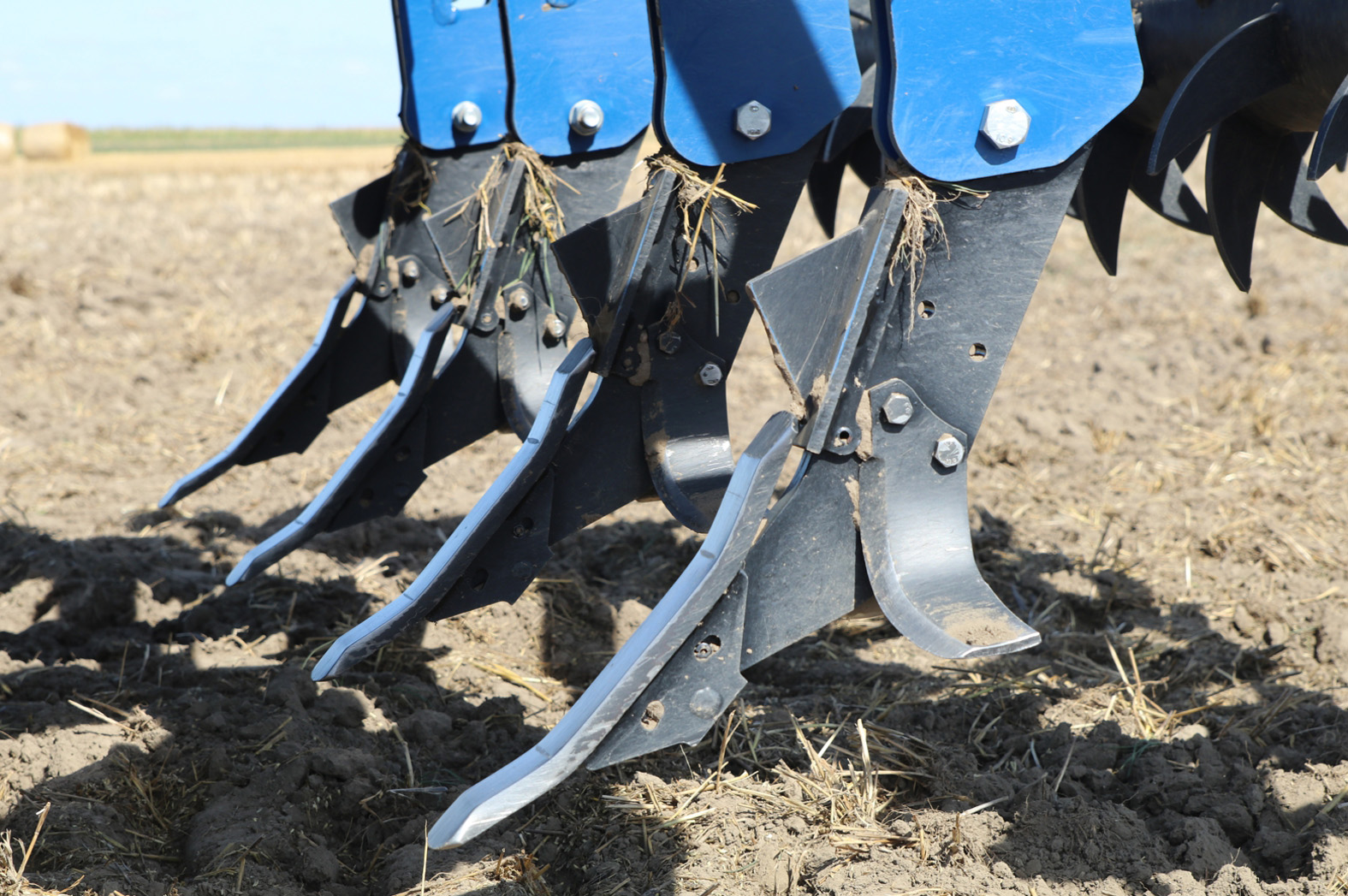
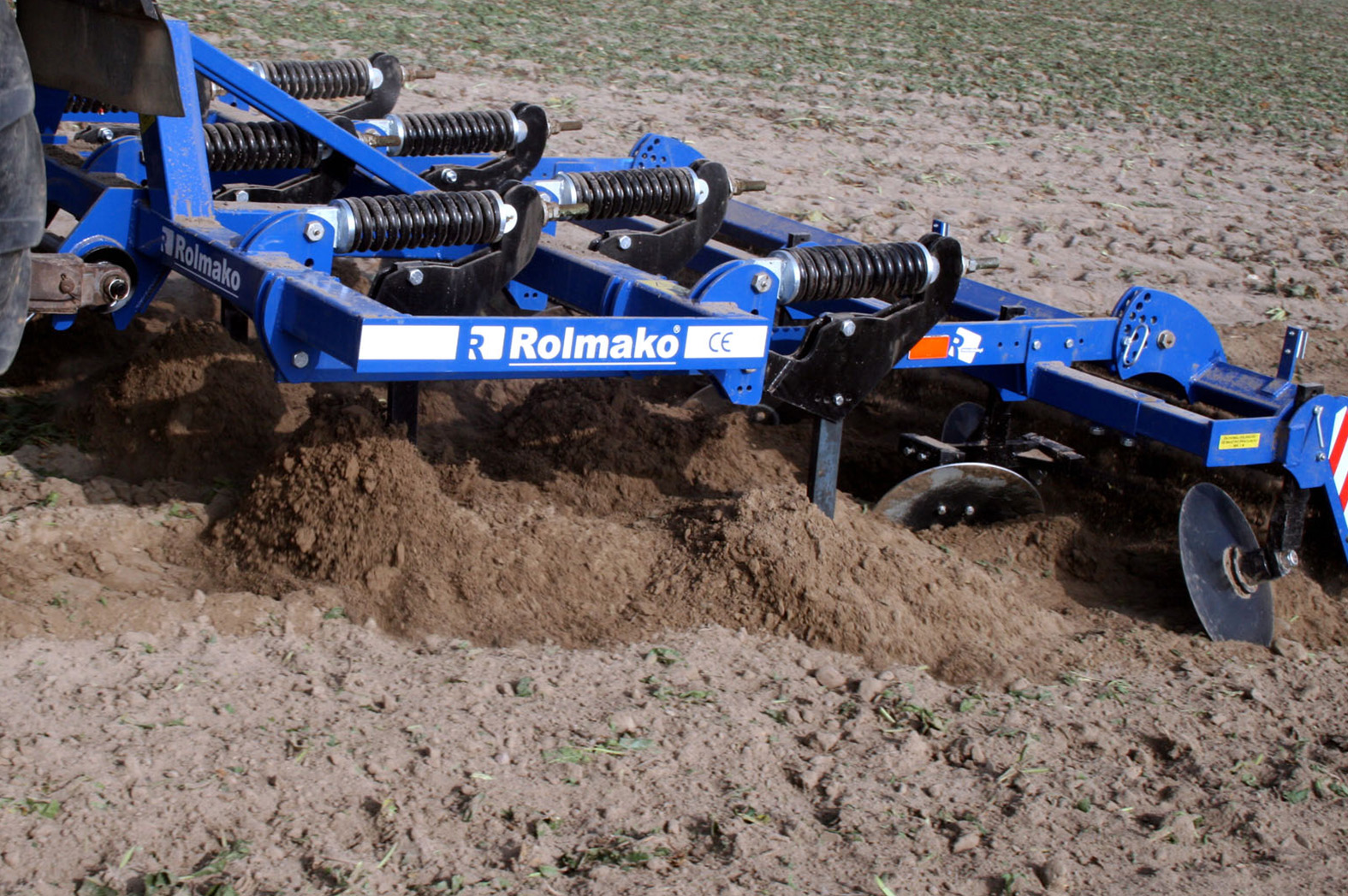
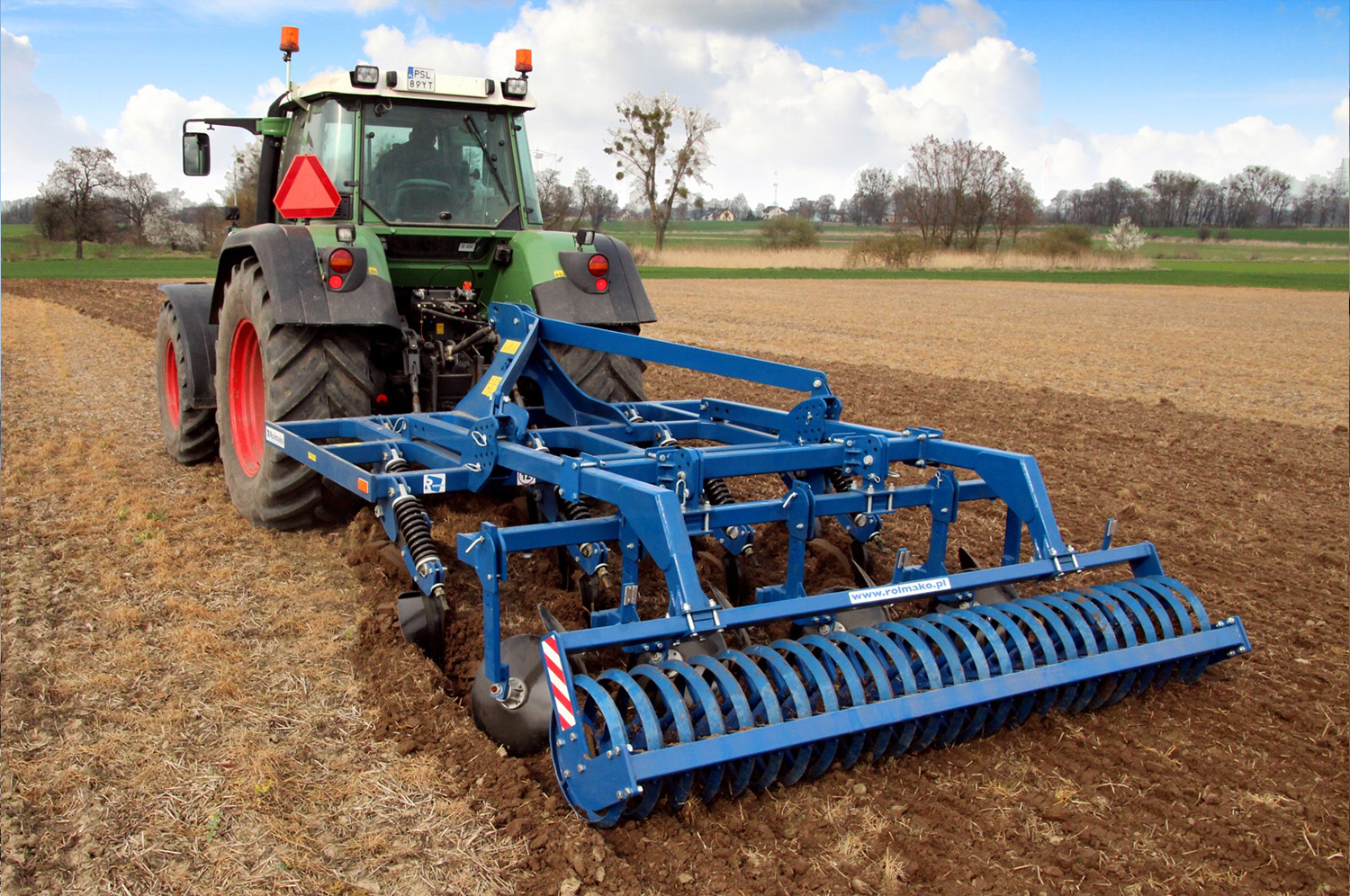
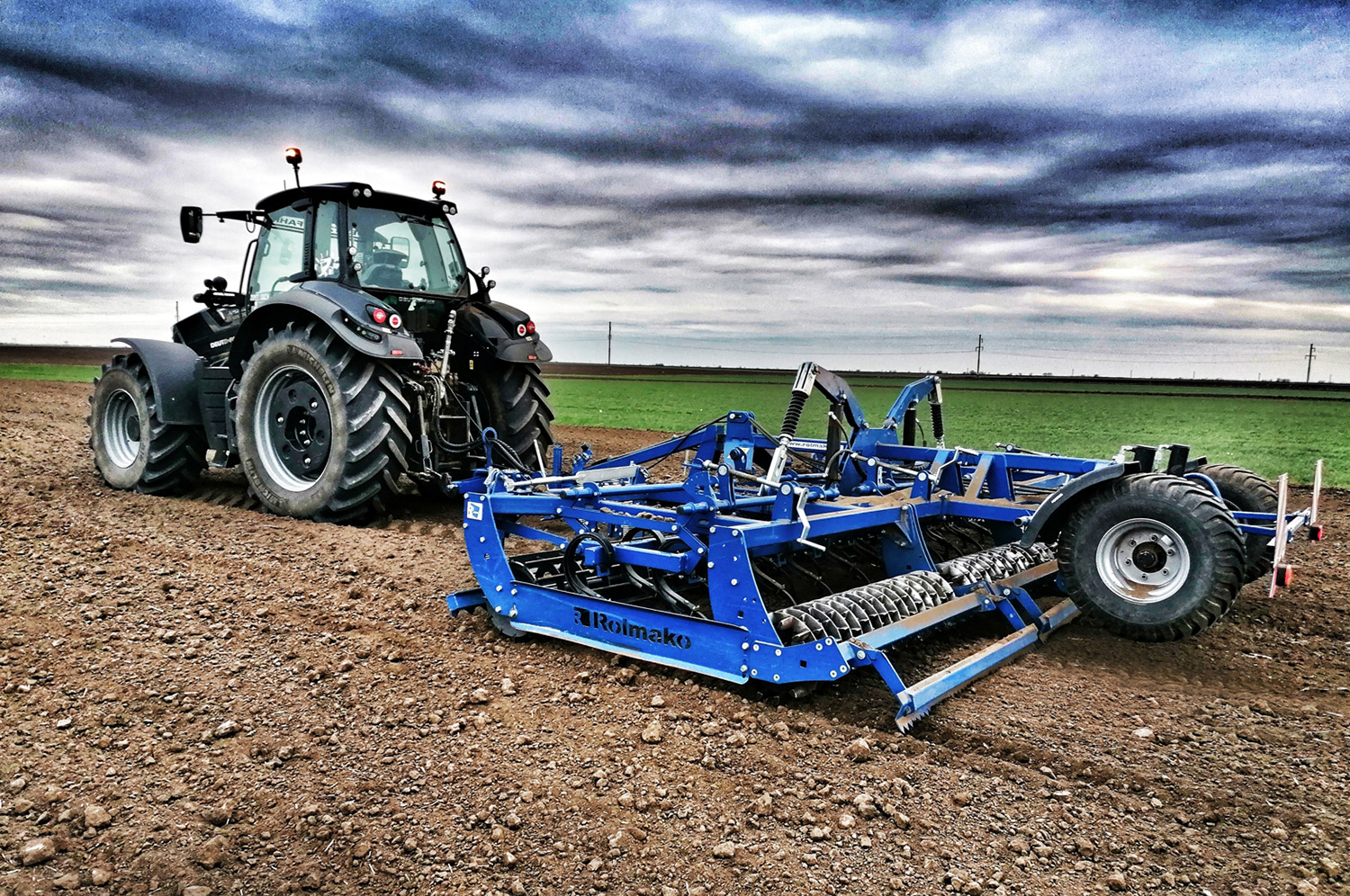
The ActiVAgro weeder by Rolmako is a versatile unit utilized in both traditional crops and grassland maintenance. It serves as an excellent alternative to chemical weed control by minimizing weed presence through the disruption of the soil's surface crust. The adjustable tine angle, operable both mechanically and hydraulically from the tractor cabin, ensures uniform performance in each working section. With hydraulic frame unfolding, it adapts to terrain variations, guaranteeing even pressure distribution during operation. The ActiVAgro weeder is effective on weeds both post-growth and during the germination phase, ensuring their removal and preventing further development.

Rotary hoe from Rolmako
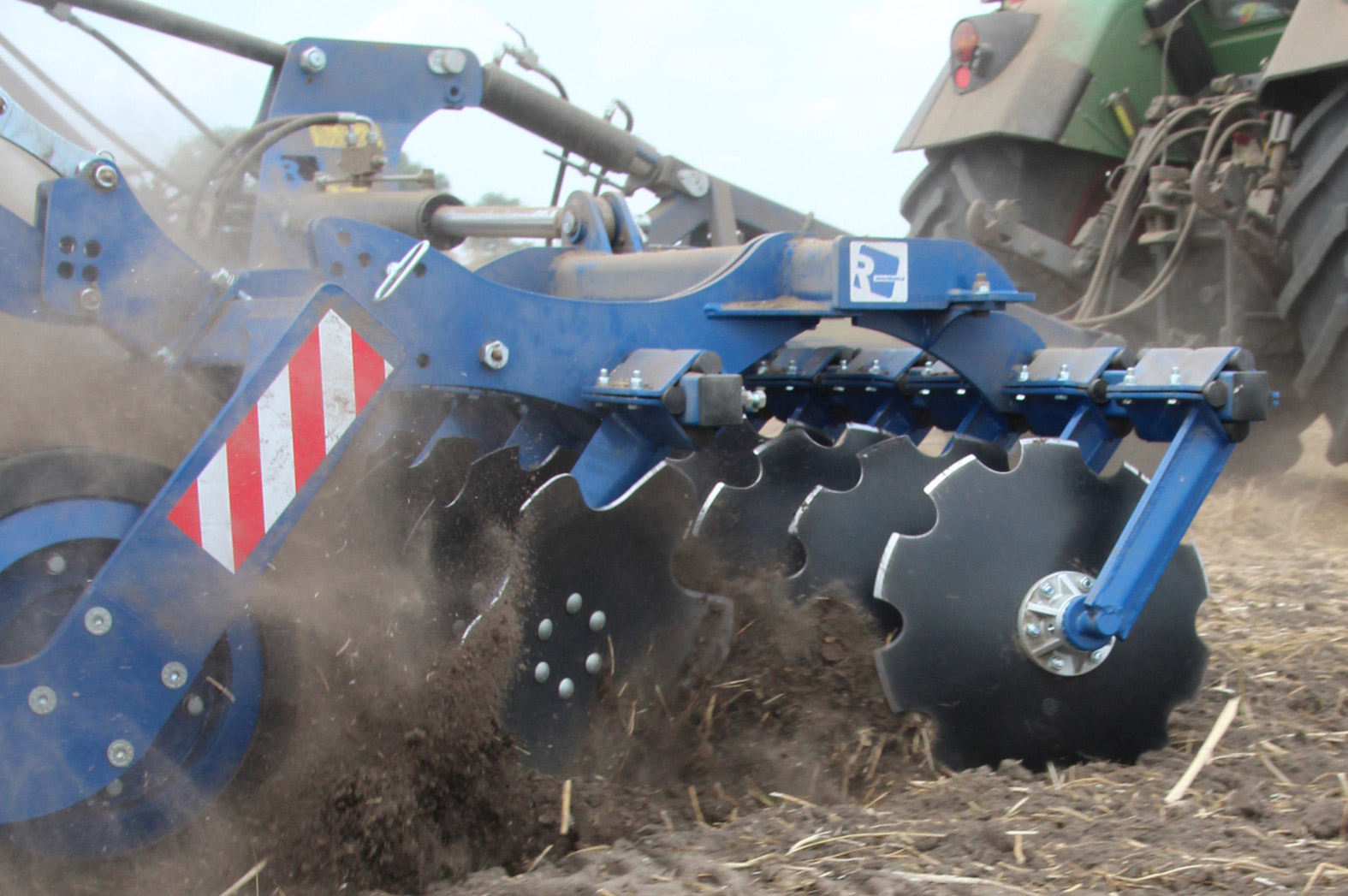
The MATRIX rotary hoe is specifically designed for the cultivation of inter-row soil. In addition to effective weed elimination, this machine is versatile for various field operations, including crushing crusted soil layers, mixing fertilizers with soil, grassland care, and ultra-shallow stubble cultivation. It is characterized by high work efficiency per hectare with low fuel and component consumption. It is recommended to conduct harrowing operations in strong sunlight to ensure effective removal of rootless weeds and the breakdown of crusted soil layers. Additionally, the operation of the harrow aerates the soil with oxygen and nutrients, creating an ideal substrate for plant development at the initial cultivation stage.

Identifying alternative methods of weed control is becoming a priority for ensuring sustainable agricultural development.
Integration of Various Plant Protection Methods
The contemporary approach to plant protection entails the integration of diverse weed control methods, including mechanical and biological techniques, alongside the application of best practices in plant protection. The prudent decision to initiate weed control, the selection of the optimal timing, and the application of the appropriate dosage are pivotal for effective weed management with minimal environmental impact.
Customers prefer eco
Currently, there is a noticeable rise in ecological awareness among consumers, who increasingly prefer ecological products. This shift in preferences is primarily driven by growing concerns for the environment and health. Organic products, such as flour, vegetables, and fruit, are available at both small markets and large chain stores.
Customers are increasingly aware of the negative impact of traditional production methods on the planet, prompting them to purchase products produced sustainably and integratively. Additionally, growing understanding of the relationship between personal health and environmental state further motivates consumers to choose ecological products. Ethical production and fair trade are becoming increasingly important, and local production is supported by those concerned with community development. With the growing availability of ecological products, customers have more opportunities to make conscious purchasing choices, contributing to a more sustainable society and natural environment.
A farmer's investment in mechanical weed removal garners appreciation from consumers, who consciously increasingly select products from integrated and organic farming.
Mechanical weed control – A Step Forward or a Challenge?
Rather than relying solely on herbicides, farmers are increasingly turning to proven techniques already used in agricultural practice. The need for new solutions means many known methods of controlling weeds are being rediscovered. These methods, based on ecological and sustainable development principles, are gaining popularity.
Principles of Mechanical Weed Control
Mechanical weed control is a component of ecological and sustainable plant production. The effectiveness of this process is dependent on adherence to specific principles and practices. Controlling weeds at the germination stage is essential for achieving optimal results.
Maintaining soil in good condition and working with slightly dry soil facilitates mechanical weeding. Adjusting cultivator width to cultivation spacing and precise weeding aids in effective weed control while reducing manual labor. Notably, nighttime work significantly reduces weed infestation by limiting light's influence on seed and weed germination. The process's effectiveness also depends on weather conditions, making proper timing and practices essential for desired results.
Controlling Germinating Weeds: Optimal results are achieved by targeting weeds at the initial germination stage.
Good Soil Culture: Maintaining soil in good condition enhances suitability for mechanical tillage and weed control.
Working on Slightly Dry Soil: Mechanical weeding is more effective when the soil is slightly dry.
Adjusting the Width of Weeders: Weeder widths should align with crop spacing to ensure effective weed control.
Precise Weeding: Narrower unweeded strips reduce the need for manual weeding; hence, it is crucial to adjust weeder widths accordingly.
Adequate Soil Moisture: Avoid weeding crops when the soil is too moist to prevent weeds from taking root.
Time of Day: Nighttime weeding can significantly reduce weed infestation as light influences weed seed germination.
Effectiveness Depending on Weather Conditions: Mechanical weeding is most effective on sunny days, particularly for germinating weeds. Rainy conditions significantly reduce this effectiveness.
Agricultural Equipment for Mechanical Weed Control
Rolmako is a leading manufacturer of high-quality agricultural equipment. Addressing contemporary needs for efficient mechanical weed control, the company has designed and produced specialized equipment for this purpose. Notable examples include the weeder and rotary hoe.
Weeder from Rolmako
The ActiVAgro weeder by Rolmako is a versatile unit utilized in both traditional crops and grassland maintenance. It serves as an excellent alternative to chemical weed control by minimizing weed presence through the disruption of the soil's surface crust. The adjustable tine angle, operable both mechanically and hydraulically from the tractor cabin, ensures uniform performance in each working section. With hydraulic frame unfolding, it adapts to terrain variations, guaranteeing even pressure distribution during operation. The ActiVAgro weeder is effective on weeds both post-growth and during the germination phase, ensuring their removal and preventing further development.
Rotary hoe from Rolmako
The MATRIX rotary hoe is specifically designed for the cultivation of inter-row soil. In addition to effective weed elimination, this machine is versatile for various field operations, including crushing crusted soil layers, mixing fertilizers with soil, grassland care, and ultra-shallow stubble cultivation. It is characterized by high work efficiency per hectare with low fuel and component consumption. It is recommended to conduct harrowing operations in strong sunlight to ensure effective removal of rootless weeds and the breakdown of crusted soil layers. Additionally, the operation of the harrow aerates the soil with oxygen and nutrients, creating an ideal substrate for plant development at the initial cultivation stage.
Customers are increasingly aware of the negative impact of traditional production methods on the planet, prompting them to purchase products produced sustainably and integratively. Additionally, growing understanding of the relationship between personal health and environmental state further motivates consumers to choose ecological products. Ethical production and fair trade are becoming increasingly important, and local production is supported by those concerned with community development. With the growing availability of ecological products, customers have more opportunities to make conscious purchasing choices, contributing to a more sustainable society and natural environment.
A farmer's investment in mechanical weed removal garners appreciation from consumers, who consciously increasingly select products from integrated and organic farming.
Mechanical weed control – A Step Forward or a Challenge?
Rather than relying solely on herbicides, farmers are increasingly turning to proven techniques already used in agricultural practice. The need for new solutions means many known methods of controlling weeds are being rediscovered. These methods, based on ecological and sustainable development principles, are gaining popularity.
Principles of Mechanical Weed Control
Mechanical weed control is a component of ecological and sustainable plant production. The effectiveness of this process is dependent on adherence to specific principles and practices. Controlling weeds at the germination stage is essential for achieving optimal results.
Maintaining soil in good condition and working with slightly dry soil facilitates mechanical weeding. Adjusting cultivator width to cultivation spacing and precise weeding aids in effective weed control while reducing manual labor. Notably, nighttime work significantly reduces weed infestation by limiting light's influence on seed and weed germination. The process's effectiveness also depends on weather conditions, making proper timing and practices essential for desired results.
Controlling Germinating Weeds: Optimal results are achieved by targeting weeds at the initial germination stage.
Good Soil Culture: Maintaining soil in good condition enhances suitability for mechanical tillage and weed control.
Working on Slightly Dry Soil: Mechanical weeding is more effective when the soil is slightly dry.
Adjusting the Width of Weeders: Weeder widths should align with crop spacing to ensure effective weed control.
Precise Weeding: Narrower unweeded strips reduce the need for manual weeding; hence, it is crucial to adjust weeder widths accordingly.
Adequate Soil Moisture: Avoid weeding crops when the soil is too moist to prevent weeds from taking root.
Time of Day: Nighttime weeding can significantly reduce weed infestation as light influences weed seed germination.
Effectiveness Depending on Weather Conditions: Mechanical weeding is most effective on sunny days, particularly for germinating weeds. Rainy conditions significantly reduce this effectiveness.
Agricultural Equipment for Mechanical Weed Control
Rolmako is a leading manufacturer of high-quality agricultural equipment. Addressing contemporary needs for efficient mechanical weed control, the company has designed and produced specialized equipment for this purpose. Notable examples include the weeder and rotary hoe.
Weeder from Rolmako
The ActiVAgro weeder by Rolmako is a versatile unit utilized in both traditional crops and grassland maintenance. It serves as an excellent alternative to chemical weed control by minimizing weed presence through the disruption of the soil's surface crust. The adjustable tine angle, operable both mechanically and hydraulically from the tractor cabin, ensures uniform performance in each working section. With hydraulic frame unfolding, it adapts to terrain variations, guaranteeing even pressure distribution during operation. The ActiVAgro weeder is effective on weeds both post-growth and during the germination phase, ensuring their removal and preventing further development.
Rotary hoe from Rolmako
The MATRIX rotary hoe is specifically designed for the cultivation of inter-row soil. In addition to effective weed elimination, this machine is versatile for various field operations, including crushing crusted soil layers, mixing fertilizers with soil, grassland care, and ultra-shallow stubble cultivation. It is characterized by high work efficiency per hectare with low fuel and component consumption. It is recommended to conduct harrowing operations in strong sunlight to ensure effective removal of rootless weeds and the breakdown of crusted soil layers. Additionally, the operation of the harrow aerates the soil with oxygen and nutrients, creating an ideal substrate for plant development at the initial cultivation stage.
Mechanical weed control – A Step Forward or a Challenge?
Rather than relying solely on herbicides, farmers are increasingly turning to proven techniques already used in agricultural practice. The need for new solutions means many known methods of controlling weeds are being rediscovered. These methods, based on ecological and sustainable development principles, are gaining popularity.
Principles of Mechanical Weed Control
Mechanical weed control is a component of ecological and sustainable plant production. The effectiveness of this process is dependent on adherence to specific principles and practices. Controlling weeds at the germination stage is essential for achieving optimal results.
Maintaining soil in good condition and working with slightly dry soil facilitates mechanical weeding. Adjusting cultivator width to cultivation spacing and precise weeding aids in effective weed control while reducing manual labor. Notably, nighttime work significantly reduces weed infestation by limiting light's influence on seed and weed germination. The process's effectiveness also depends on weather conditions, making proper timing and practices essential for desired results.
Controlling Germinating Weeds: Optimal results are achieved by targeting weeds at the initial germination stage.
Good Soil Culture: Maintaining soil in good condition enhances suitability for mechanical tillage and weed control.
Working on Slightly Dry Soil: Mechanical weeding is more effective when the soil is slightly dry.
Adjusting the Width of Weeders: Weeder widths should align with crop spacing to ensure effective weed control.
Precise Weeding: Narrower unweeded strips reduce the need for manual weeding; hence, it is crucial to adjust weeder widths accordingly.
Adequate Soil Moisture: Avoid weeding crops when the soil is too moist to prevent weeds from taking root.
Time of Day: Nighttime weeding can significantly reduce weed infestation as light influences weed seed germination.
Effectiveness Depending on Weather Conditions: Mechanical weeding is most effective on sunny days, particularly for germinating weeds. Rainy conditions significantly reduce this effectiveness.
Agricultural Equipment for Mechanical Weed Control
Rolmako is a leading manufacturer of high-quality agricultural equipment. Addressing contemporary needs for efficient mechanical weed control, the company has designed and produced specialized equipment for this purpose. Notable examples include the weeder and rotary hoe.
Weeder from Rolmako
The ActiVAgro weeder by Rolmako is a versatile unit utilized in both traditional crops and grassland maintenance. It serves as an excellent alternative to chemical weed control by minimizing weed presence through the disruption of the soil's surface crust. The adjustable tine angle, operable both mechanically and hydraulically from the tractor cabin, ensures uniform performance in each working section. With hydraulic frame unfolding, it adapts to terrain variations, guaranteeing even pressure distribution during operation. The ActiVAgro weeder is effective on weeds both post-growth and during the germination phase, ensuring their removal and preventing further development.
Rotary hoe from Rolmako
The MATRIX rotary hoe is specifically designed for the cultivation of inter-row soil. In addition to effective weed elimination, this machine is versatile for various field operations, including crushing crusted soil layers, mixing fertilizers with soil, grassland care, and ultra-shallow stubble cultivation. It is characterized by high work efficiency per hectare with low fuel and component consumption. It is recommended to conduct harrowing operations in strong sunlight to ensure effective removal of rootless weeds and the breakdown of crusted soil layers. Additionally, the operation of the harrow aerates the soil with oxygen and nutrients, creating an ideal substrate for plant development at the initial cultivation stage.
Controlling Germinating Weeds: Optimal results are achieved by targeting weeds at the initial germination stage.
Good Soil Culture: Maintaining soil in good condition enhances suitability for mechanical tillage and weed control.
Working on Slightly Dry Soil: Mechanical weeding is more effective when the soil is slightly dry.
Adjusting the Width of Weeders: Weeder widths should align with crop spacing to ensure effective weed control.
Precise Weeding: Narrower unweeded strips reduce the need for manual weeding; hence, it is crucial to adjust weeder widths accordingly.
Adequate Soil Moisture: Avoid weeding crops when the soil is too moist to prevent weeds from taking root.
Time of Day: Nighttime weeding can significantly reduce weed infestation as light influences weed seed germination.
Effectiveness Depending on Weather Conditions: Mechanical weeding is most effective on sunny days, particularly for germinating weeds. Rainy conditions significantly reduce this effectiveness.
Agricultural Equipment for Mechanical Weed Control
Rolmako is a leading manufacturer of high-quality agricultural equipment. Addressing contemporary needs for efficient mechanical weed control, the company has designed and produced specialized equipment for this purpose. Notable examples include the weeder and rotary hoe.
Weeder from Rolmako
The ActiVAgro weeder by Rolmako is a versatile unit utilized in both traditional crops and grassland maintenance. It serves as an excellent alternative to chemical weed control by minimizing weed presence through the disruption of the soil's surface crust. The adjustable tine angle, operable both mechanically and hydraulically from the tractor cabin, ensures uniform performance in each working section. With hydraulic frame unfolding, it adapts to terrain variations, guaranteeing even pressure distribution during operation. The ActiVAgro weeder is effective on weeds both post-growth and during the germination phase, ensuring their removal and preventing further development.
Rotary hoe from Rolmako
The MATRIX rotary hoe is specifically designed for the cultivation of inter-row soil. In addition to effective weed elimination, this machine is versatile for various field operations, including crushing crusted soil layers, mixing fertilizers with soil, grassland care, and ultra-shallow stubble cultivation. It is characterized by high work efficiency per hectare with low fuel and component consumption. It is recommended to conduct harrowing operations in strong sunlight to ensure effective removal of rootless weeds and the breakdown of crusted soil layers. Additionally, the operation of the harrow aerates the soil with oxygen and nutrients, creating an ideal substrate for plant development at the initial cultivation stage.
Rotary hoe from Rolmako
The MATRIX rotary hoe is specifically designed for the cultivation of inter-row soil. In addition to effective weed elimination, this machine is versatile for various field operations, including crushing crusted soil layers, mixing fertilizers with soil, grassland care, and ultra-shallow stubble cultivation. It is characterized by high work efficiency per hectare with low fuel and component consumption. It is recommended to conduct harrowing operations in strong sunlight to ensure effective removal of rootless weeds and the breakdown of crusted soil layers. Additionally, the operation of the harrow aerates the soil with oxygen and nutrients, creating an ideal substrate for plant development at the initial cultivation stage.
Related articles
Recommended articles