



Publication date: 01.07.2026
No till farming – a strategy to protect yields during drought in Greater Poland?

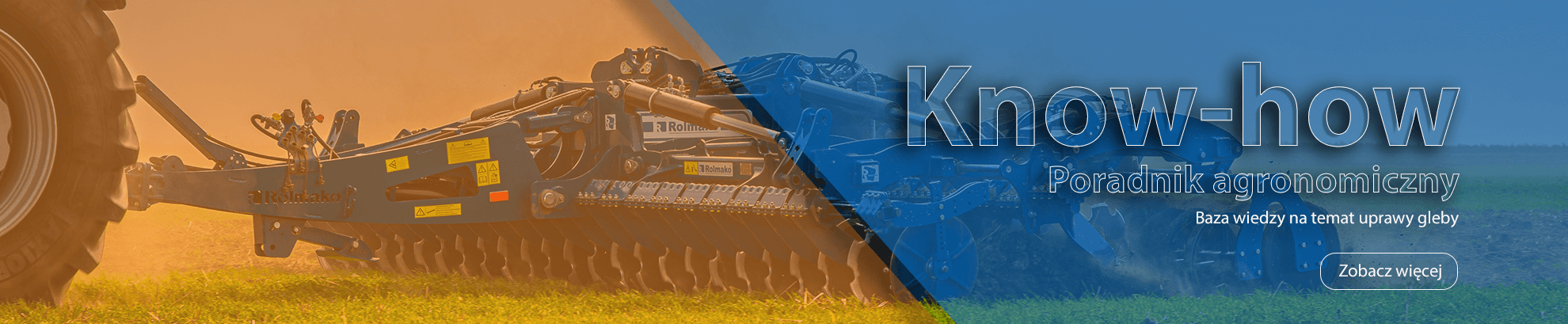
No till farming protects yields from the effects of drought mainly by improving the soil water balance in a comprehensive way. For farmers in Greater Poland, who have been struggling with agricultural drought for several years, this information can be crucial. Why is no-till a good strategy for protecting yields? Experts from Rolmako, a company specializing in machinery for this technology, help explain.
What drought-protection mechanisms does no till farming activate?
No till farming works as a multi-layered protection system:
Reduced water evaporation from the soil

A layer of post harvest residues creates a physical barrier on the soil surface, shielding it from direct sunlight and wind. Chinese research from 2022 showed that no till farming with straw mulch reduced soil water evaporation by 22.4% compared to conventional plowing. At the same time, a larger share of water was used productively by plants rather than lost through evaporation. This is why Rolmako designs its machines to maximize the protective effect of stubble and limit water loss from the very first pass.
Improved soil structure and water retention

In no-till systems, soil maintains its natural aggregate structure. Soil aggregates – clods with a diameter of 0.5 to 2.5 mm – create optimal conditions for water retention and infiltration.
Increased organic matter content

No till agriculture leads to the gradual accumulation of organic matter, especially in the top 0–10 cm layer. U.S. studies have shown that organic carbon has a particularly strong impact on water retention in sandy and medium-textured soils – typical of many areas in Greater Poland. Rolmako machines are designed to work effectively in these conditions, supporting moisture conservation and the building of a fertile humus layer without deep inversion.
Development of macropores and biological channels

In a no-till system, a rich network of macropores develops – channels wider than 75 μm, formed by plant roots, earthworms and other soil organisms. In practice, this means that after rainfall, water infiltrates deeper into the soil and is stored there instead of running off the surface or evaporating quickly.
Moreover, in conditions where subsoil layers are compacted – which is common in Greater Poland soils – plant roots actively use these macropores to penetrate deeper layers and access water that would otherwise remain unavailable to shallow root systems.
The scale of drought in Greater Poland

The Greater Poland Voivodeship has for years been at the epicenter of agricultural drought in Poland. Data from 2024 and 2025 clearly illustrate the scale of the problem. During the reporting period from March 21 to September 20, 2025, drought occurred in almost the entire region. Out of 229 municipalities, 220 (96%) recorded agricultural drought. Only nine municipalities were unaffected.
The Września district, where the town of Września is located, was classified as an area with very significant atmospheric drought risk. All municipalities within the district fell into this highest risk category. In the third reporting period of 2024 (April 11 to June 10), drought in spring cereals occurred in 146 out of 226 municipalities in Greater Poland, while winter cereals were affected in 103 municipalities – nearly half of the region.
The hydrological situation in 2025 was particularly alarming. By the end of April 2025, the second quarter of the hydrological year had ended with exceptionally low rainfall. Reports from IMGW-PIB indicated significant water deficits, especially in the Warta River basin and the Ślesiński Canal catchment. February 2025 was classified as very dry or even extremely dry, with precipitation totals at 50–75% and below 50% of the norm.
Soil conditions in the Września district further intensify the drought problem. Arable land is dominated by class IVa and IVb soils – medium-quality soils – with no class I soils present. The area lies mainly within Groundwater Body No. 61, while the largest surface water body is the Wrześnica catchment, covering 173.39 km².

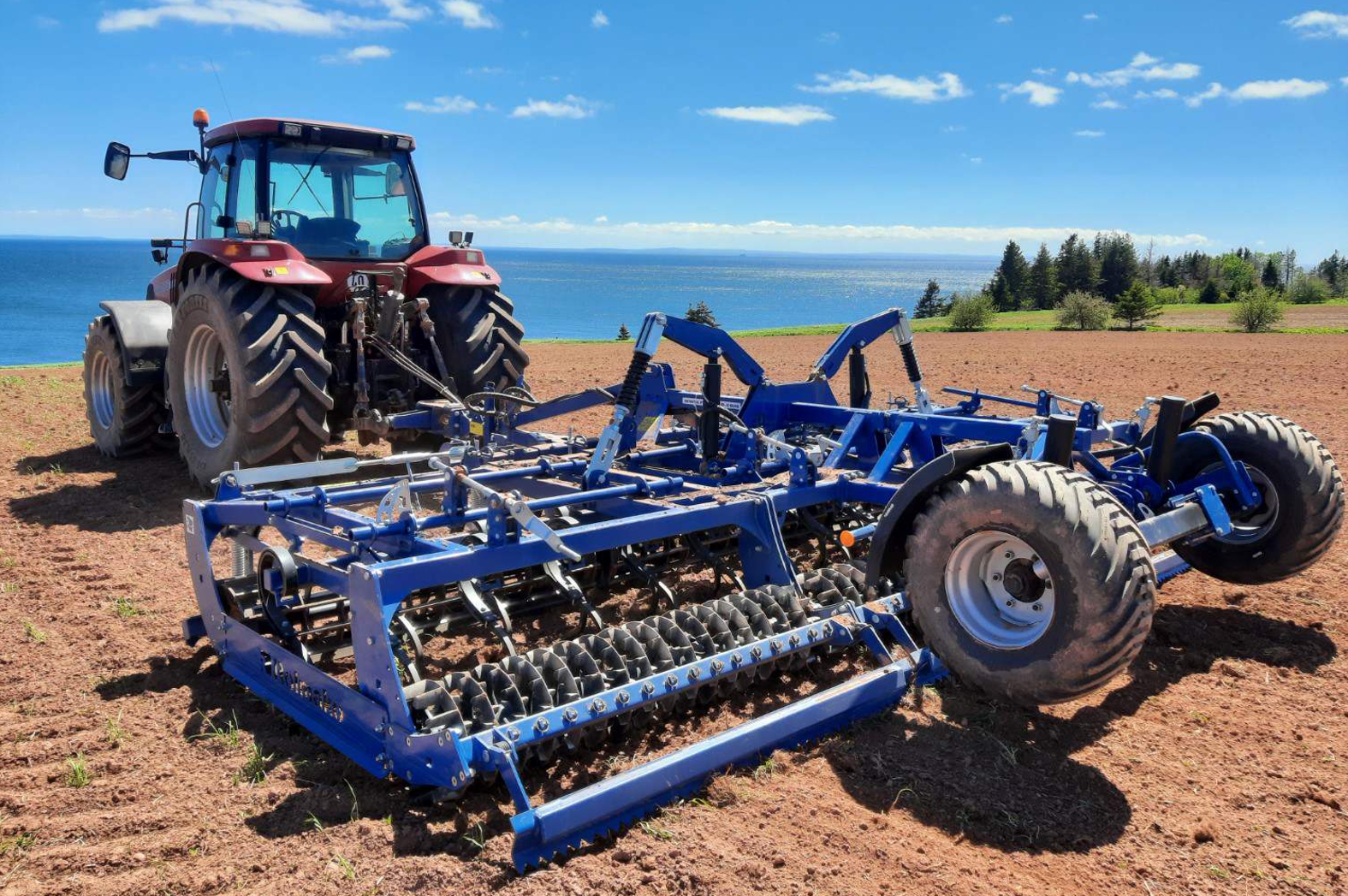
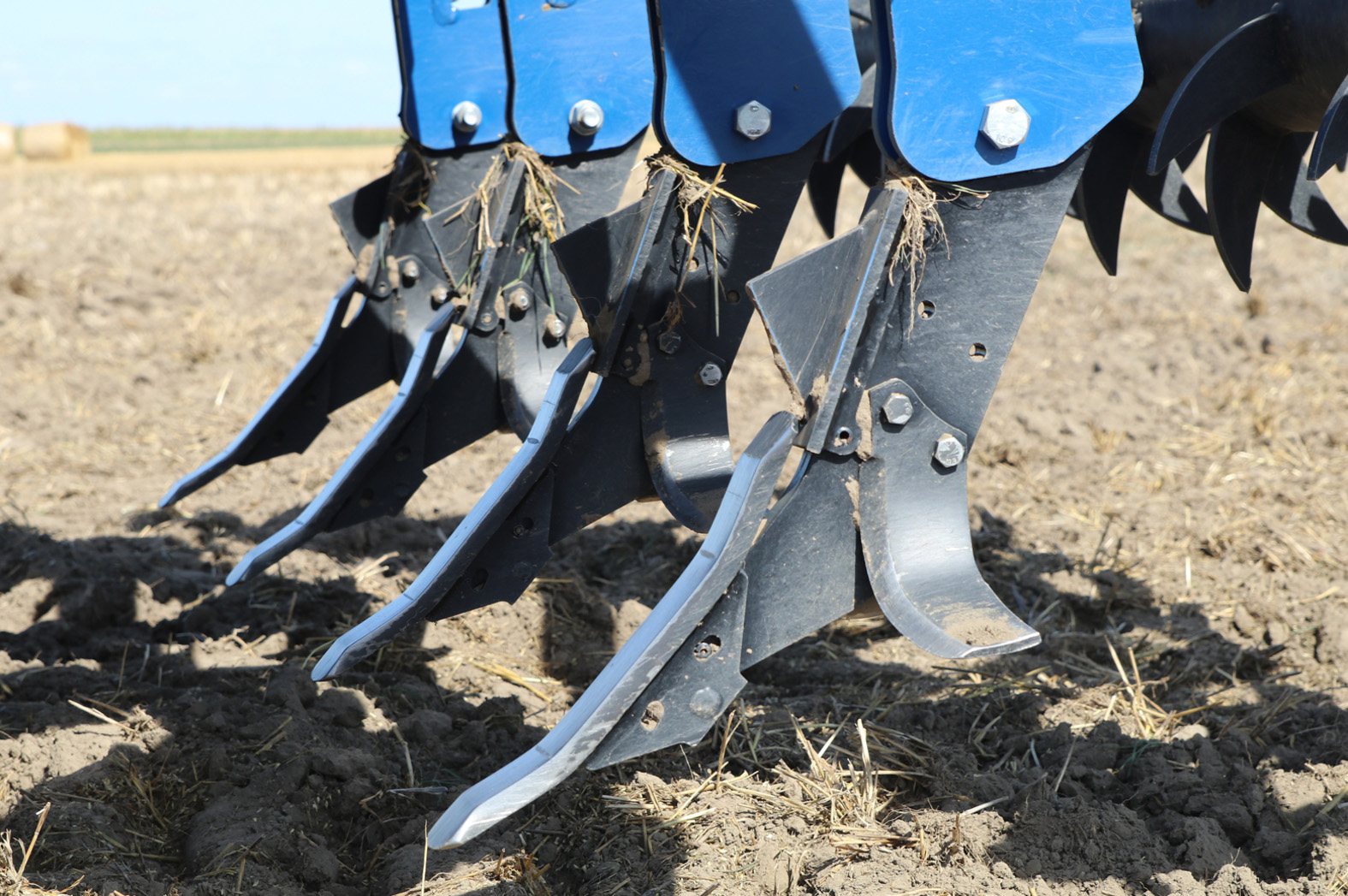
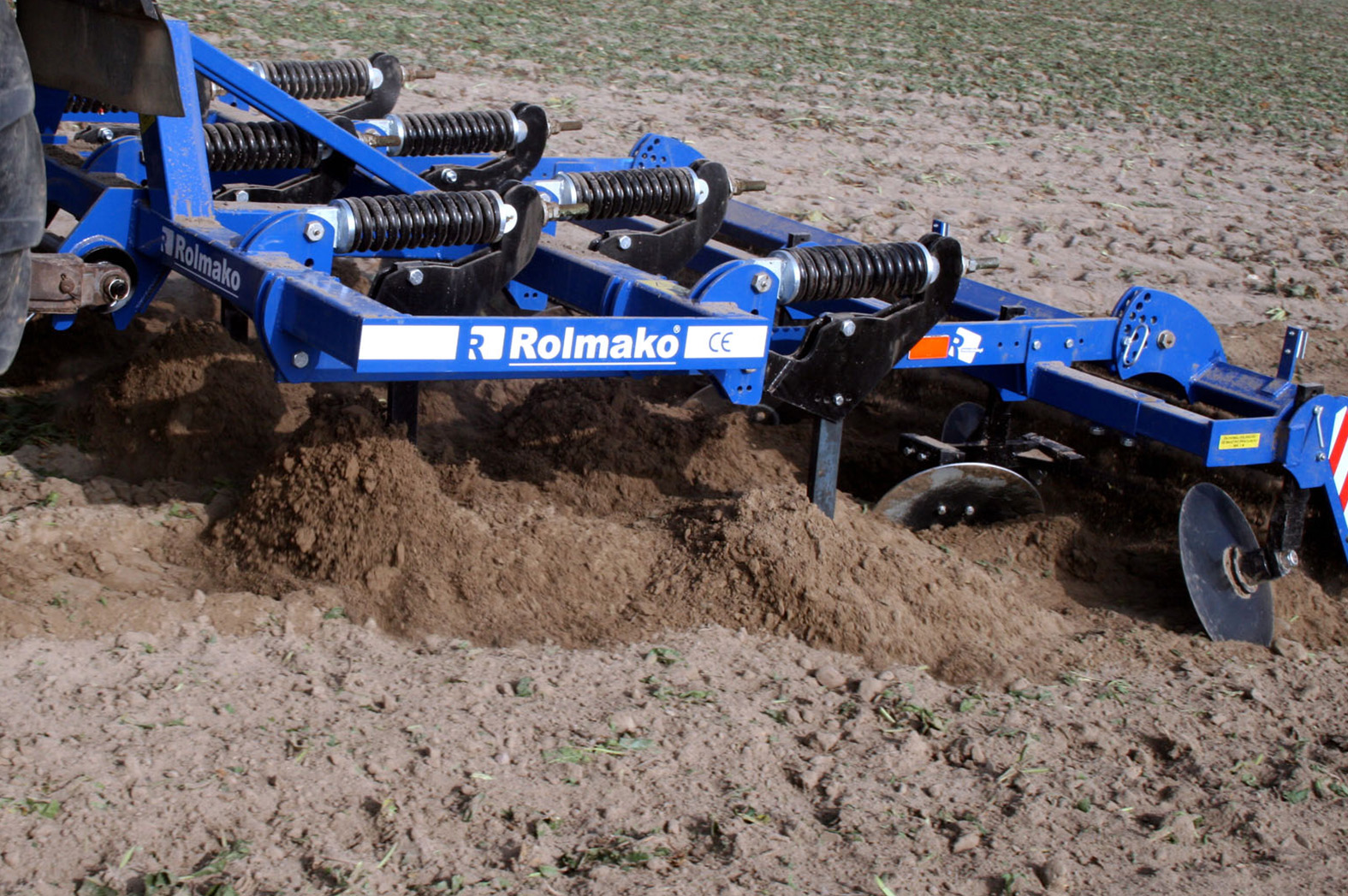
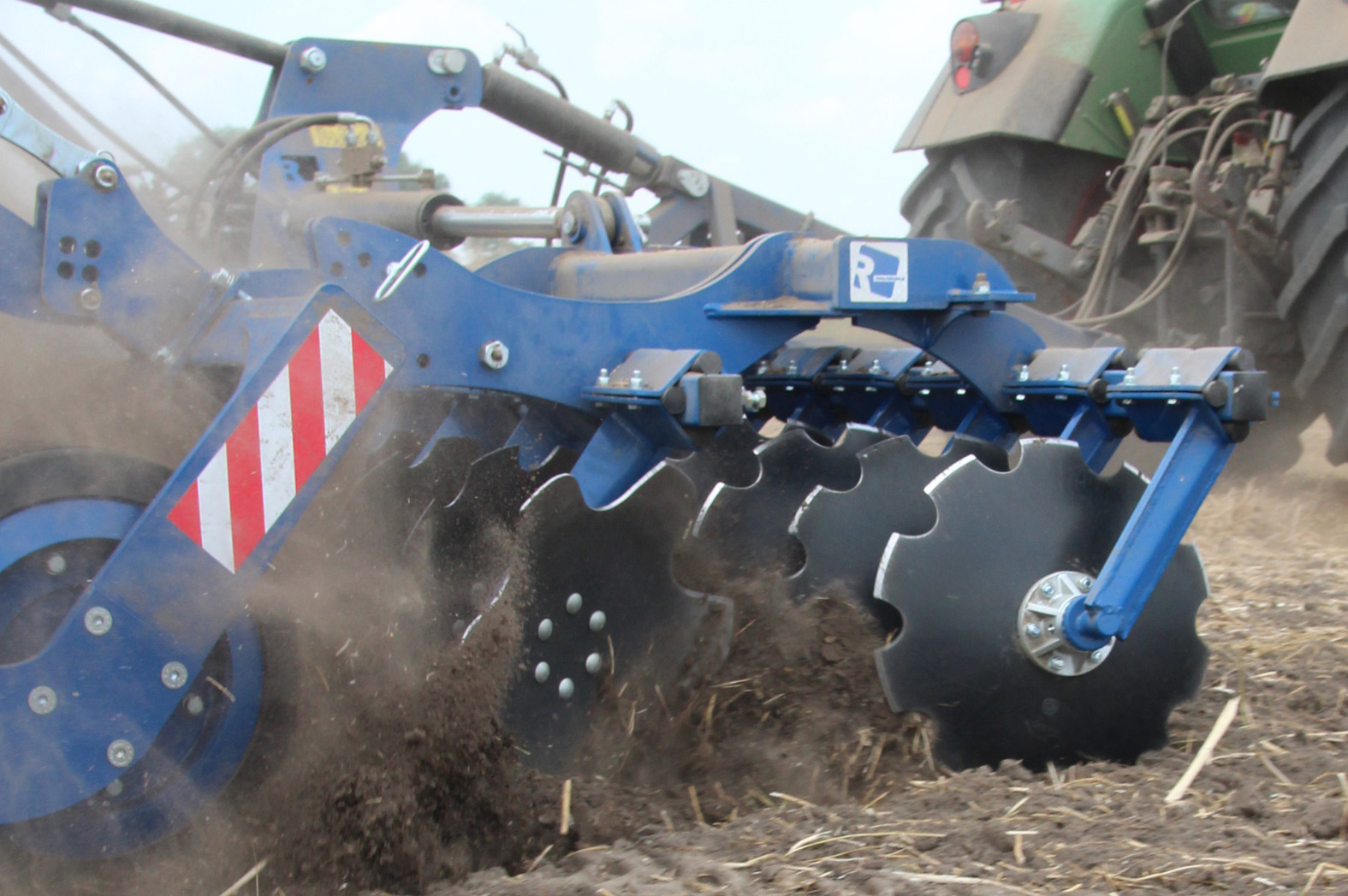
It is precisely under such conditions that no till technologies gain particular importance. Rolmako, a Polish manufacturer of tillage machinery based in the Września district, understands local climate and soil challenges very well. That is why it offers tools designed for farms facing water shortages – such as knife rollers, disc harrows and subsoilers – which help reduce evaporation, retain soil moisture and improve soil structure without destroying biological life. This is a response to the real needs of regional farmers – tested on their own fields.
What solutions do independent specialists propose?
The Greater Poland Agricultural Chamber developed the “Greater Poland Agricultural Drought Prevention Program,” whose strategic goal is simple: retain water where it falls. Currently, only 7.5% of rainfall is retained in the region, compared to 40% in Spain. The problem must be addressed comprehensively, which is why the program includes retention measures at various levels – from large retention reservoirs, through natural landscape features, down to the soil itself.

At the soil level, no till farming offers significant potential. The Greater Poland Agricultural Advisory Center in Poznań confirms the benefits of this cultivation technology. Experts emphasize that no-till improves soil structure and enhances its water retention capacity, giving plants more stable access to moisture – particularly important under Greater Poland’s dry conditions.
How to implement no till farming in Greater Poland conditions?
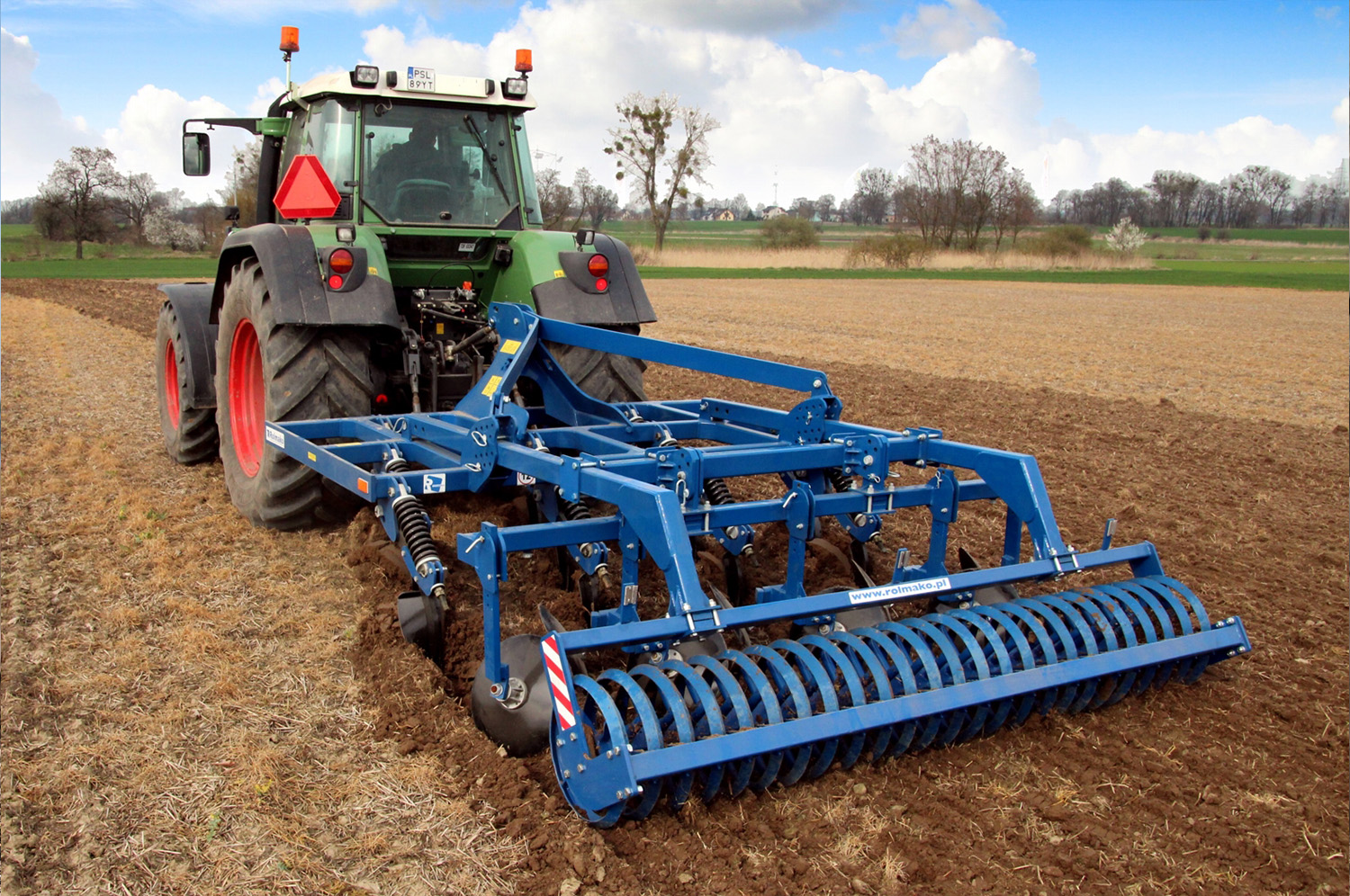
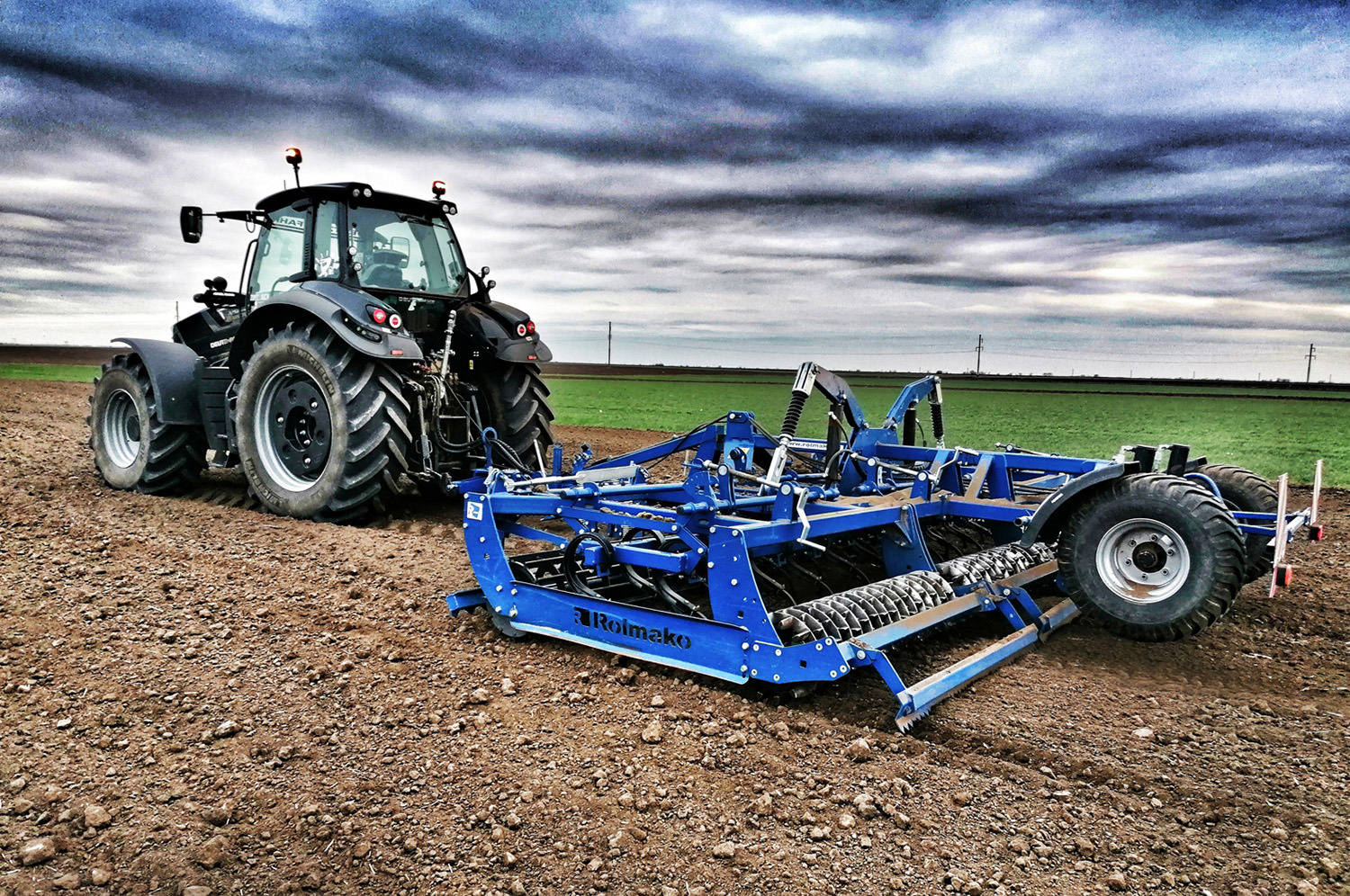
Considering all of the above, having a no till machinery manufacturer located in Psary Małe near Września is more than fortunate. For years, Rolmako specialists have been expanding the company’s portfolio to enable full implementation of this technology: cultivators, disc harrows, subsoilers, chisel ploughs, rollers, and since 2025, seed drills.

Technical advisors confirm that the key to effective no-till under dry conditions is properly mixing up to 70% of crop residues into the soil while leaving about 30% on the surface as protective mulch. Rolmako machines are designed to achieve this balance. All machines are compatible with tractors of various power ranges – from medium to high horsepower – which is important given the diverse machinery fleets in the region.
In addition, farmers in Greater Poland can rent machines directly from the company’s headquarters and test them on their own fields – a clear regional advantage.

Retaining water in the soil through no-till – effective, but long-term
It is worth emphasizing that yield stabilization does not occur in the first or second year after switching to no-till. Soil needs time to “adapt” to the system. Improved water infiltration typically becomes noticeable after 5–7 years of consistent application, so there is no reason to delay.
In Greater Poland, where drought affects nearly the entire region and where Września and its surroundings face very high drought risk, no till farming represents a proven, scientifically documented adaptation strategy to changing climate conditions. In the water crisis affecting Greater Poland, Rolmako offers not only machinery but a comprehensive drought-adaptation strategy – provided by a company deeply rooted in the region.

Related articles
Recommended articles